
If your teenager struggles with emotions, it can be overwhelming. There may be shifts in behavior, mood, and sleep performance. You might also be wondering what kinds of assistance are actually effective. The focus of mental health services for teens is on identifying these issues early and providing the appropriate support.
The primary focus of this treatment is a comprehensive plan that may include family involvement, therapy, and medication. At Nova Mind Wellness, families typically begin by understanding how each aspect of treatment is interconnected and why no single approach is practical on its own.
This blog will discuss why mental health treatment is crucial and how medication for mental health is used, when it should be suggested, and the professional and parent roles are playing in the process.
Why Teen Mental Health Care Is So Important
Significant physical and emotional shifts characterize the teenage years. The stress of school, social pressures, and identity formation and expectations from family members can be intense. If mental health issues are not addressed, little problems can escalate into bigger problems.
Teen mental health is essential because it can help your child in the following ways:
- Learn to manage and control emotions
- Develop healthy coping skills
- Enhance concentration and academic performance
- Improve the bonds between school and home
Early intervention can minimize the impact over time and enhance overall well-being.

Where Medication Fits in Teen Mental Health Care
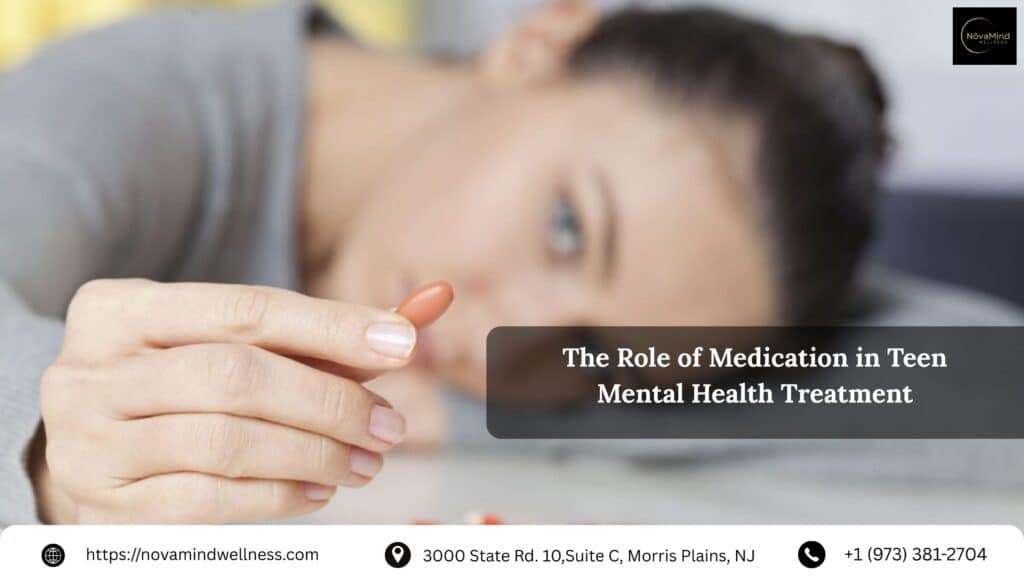
The use of medication is not always necessary, but it’s not the first choice for any teen. In the field of teen mental health, medications are viewed as an aid to help but not as a cure.
The medication may be helpful if symptoms occur:
- Interfere with the daily routine
- It isn’t easy to participate in
- Stay intense even after consistent treatment
What it really signifies is that medications can reduce symptoms, and treatment becomes more efficient.
What Mental Health Medications Do
Mental health drugs are used to support the chemical balance within the brain. Teens suffering from depression, anxiety, ADHD, or mood issues may be suffering from brain chemistry that can affect the regulation of emotions.
The effects of medication can be aided by:
- Reduce the constant worry or fear
- Enhancing the ability to focus and control impulses
- Stabilizing mood changes
- Supporting better sleep patterns
It doesn’t change the person your teenager is. It enhances their ability to perform and develop new techniques through therapy.
How Medication and Therapy Work Together
Medication alone is not the best solution. The treatment for mental health issues in teens is most effective when therapy and medication complement each other.
Here’s how they function:
- Medication decreases the severity of symptoms
- Therapy helps with managing and communicating.
- The involvement of family members can help improve progress at home.
At Nova Mind Wellness, treatment plans typically include evidence-based therapies and medication management.
When Medication May Be Recommended for Teens
It is advised to take medication only following a thorough examination. Experts can assess your teenager’s symptoms, background, and everyday performance.
It is possible to consider taking medication for a medical condition if:
- The symptoms are mild to severe
- The therapy alone hasn’t brought enough relief
- Security concerns are a concern
- Every day of life seems overwhelming for your teenager
The decision is not made in a hurry. It is made with attentive observation and cooperation.

The Importance of Proper Diagnosis
An accurate diagnosis is vital for the treatment of teens with mental illness. Many symptoms overlap across different diseases, which is why professional evaluation is crucial.
Qualified psychologists examine:
- Emotional patterns
- Behavior changes
- Family heritage
- Social and academic impact
A precise diagnosis can ensure that the appropriate treatment is selected and help avoid unnecessary medications.
Why Qualified Psychiatrists Matter
Medications must be approved and monitored by trained experts. Teenagers’ brains are still developing and require special attention.
A qualified psychiatrist ensures:
- The correct choice of medication
- Safe dosage adjustments
- Check for any side effects
- Regular progress reviews
This level of care safeguards your teenager’s emotional and physical health.
Ongoing Monitoring and Follow-Ups
It isn’t a one-time decision. Monitoring is a crucial aspect of the treatment for teens with mental illness.
Regular check-ins help:
- Improvement in the symptoms of the track
- Make adjustments to dosages if necessary
- Address side effects as early as possible.
- Help ensure long-term success.
Monitoring helps ensure that treatment remains effective and secure.
The Role of Parents in Teen Mental Health Care
Parents play an essential part throughout treatment. Parents involvement in treatment helps build trust and consistency.
You support your teen by:
- Participating in family gatherings
- Be aware of changes in mood and behavior
- Encouraging open communication
- The support of medications routines
Parental involvement can improve outcomes and make teens feel more secure.
Practical Factors Families Often Ask About
Treatment for mental illness in teens is more practical than the treatment itself.
Cost and Insurance
Many programs have agreements with major insurance companies. The coverage may cover psychotherapy, psychiatry, and medication management. Be sure to verify benefits early to reduce stress.
Telehealth Options
Virtual health care can be an excellent option for families with busy schedules. Telehealth lets teens get therapy or follow-up medication at home, while still receiving high-quality treatment.
Scheduling and School Balance
The programs often provide after-school hours or flexible schedules so that students can attend school and receive support.
Common Conditions Where Medication May Help
Medicines can be an element of treatment for certain conditions, such as:
- Anxiety disorders
- Depression
- ADHD
- OCD
- Disorders of the mood
Each patient is unique. The medication decisions are individualized and thoroughly scrutinized.
What Families Should Watch For
Although many teenagers respond well to medications, they must be aware of the effects.
Parents must be aware of:
- Changes in appetite, sleep, or both
- More irritation
- Numbness of the emotional
- Physical negative side consequences
Make sure to report concerns promptly so adjustments can be made to address the issue.
Key Takeaway
The treatment of mental illness for teens works best when therapy, medication, professional guidance, and support from family members come together. Medicine isn’t a quick fix or a solution, but rather an instrument that can help teens regain their equilibrium and fully participate in the healing process.
Help Your Teen Find Balance, Stability, and Emotional Wellness
Comprehensive teen mental health treatment combines therapy, family support, and medication management when needed—helping adolescents improve emotional health while staying engaged in school and daily life.
Book a Free Parent ConsultationFAQs About Teen Mental Health Care and Medication
How can teens, with mental health care professionals, determine whether medication is required?
Professionals in mental health for teens prescribe medication after careful examination in cases where symptoms are affecting the daily routine or progress in therapy.
Are medications for teens with mental health issues secure under the supervision of a professional?
Treatment for teens with mental health issues is secure when prescribed by licensed psychiatrists and supervised regularly through periodic follow-ups.
Can teens’ mental health care work without medications?
Teen mental health treatment is possible without the use of medication for a lot of teens, particularly when family therapy and support are successful.
How long do teens’ medications for mental health typically last?
The length of treatment for mental health issues in teens is dependent on the symptom progress, the treatment goal, and guidance from a professional.
What are the benefits of parental involvement in teen mental health?
Parental involvement can help teens improve their mental health by ensuring regularity, communication, and emotional security.