
Academic pressure can feel like it is everywhere. Tests. Grades. Deadlines. College talk. Even “small” assignments can pile up. When that pressure keeps building, it can strongly affect teen mental health. It can also change how a teen thinks and chooses. That is why early emotional support matters. The sooner stress is noticed, the easier it is to manage. Nova Mind Wellness often shares this same simple idea: support works best when it starts early, before stress becomes a daily struggle.
In this blog, you will learn how ongoing school stress can lead to anxiety, low mood, burnout, and lower confidence. Then we will focus on the main topic: how anxiety can impact teen decision-making and risk avoidance. We will also cover when professional help may be needed, why licensed care matters, and how families can make support easier to access.
Why Academic Pressure Can Build Anxiety In Teen Mental Health
Some school stress is normal. It can help a teen stay motivated. But constant pressure can do the opposite. It can keep the body in “alert mode” for too long.
Over time, that can lead to anxiety symptoms that interfere with daily life and schoolwork. NIMH notes that anxiety symptoms can interfere with routine activities like schoolwork and relationships.
Academic stress has also been linked to negative outcomes like anxiety, depression, and poor academic performance in
research studies.

How Ongoing School Stress Can Affect Teen Mental Health
When school stress keeps going, teens may not feel like they can “reset.” That is when mental health can start to shift.
Anxiety And Overthinking In Teen Mental Health
A teen may worry about:
- Failing a test
- Making mistakes
- Not meeting expectations
- Falling behind friends
Anxiety can also show up as irritability, restlessness, or trouble focusing.
Low Mood And Loss Of Motivation In Teen Mental Health
Stress can lead to feeling down. Some teens start to feel like nothing they do is enough. That can lower motivation and hope.
The CDC notes that poor mental health in youth can affect school and grades and can also impact decision-making.
Burnout And Emotional Exhaustion In Teen Mental Health
Burnout can look like “I don’t care,” but it is often stress overload. A teen may feel:
- Drained
- Detached
- Less interested in hobbies
- Less able to try
Reduced Self-Confidence In Teen Mental Health
When a teen ties self-worth to grades, every test can feel like a “judgment.” That can shrink confidence. It can also make decision-making harder, because every choice feels risky.
Sleep Loss That Makes Anxiety Worse
Sleep often drops when academic pressure rises. Less sleep can make worry louder and focus weaker.
CDC research links insufficient sleep with poorer mental health and lower academic grades.
What Teen Anxiety Looks Like In Daily Life
Teen anxiety is not always obvious. Some teens look calm on the outside. Inside, they feel tense or stuck.
Common signs include:
- Constant “what if” thoughts
- Trouble falling asleep
- Avoiding school tasks
- Needing lots of reassurance
- Feeling sick before tests
- Panic-like feelings before presentations
Anxiety disorders are also common in youth, and they can affect social, family, and school functioning.
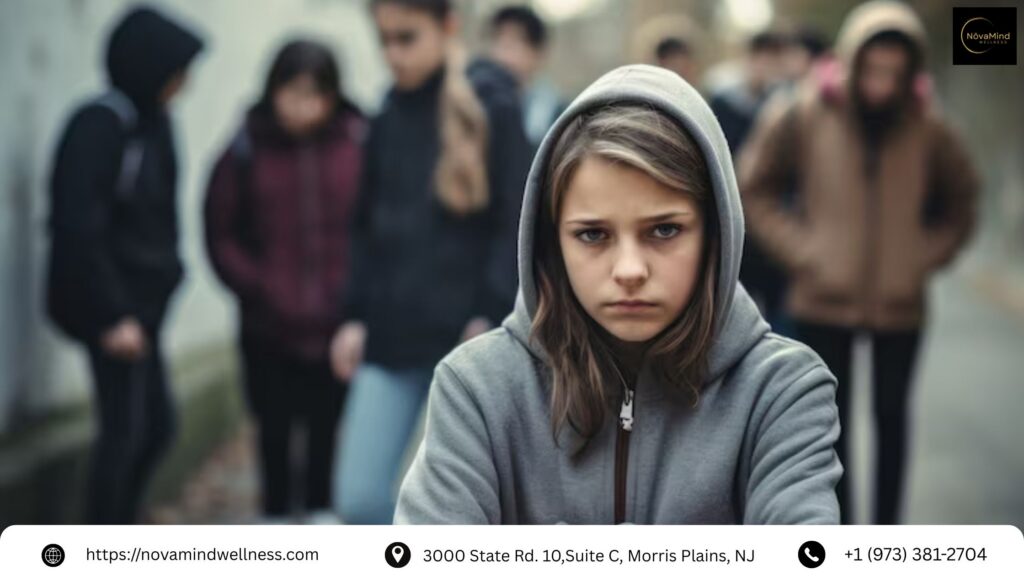
How Anxiety Changes Teen Decision-Making
When anxiety is high, the brain starts looking for danger. It tries to prevent mistakes. That sounds helpful, but it can backfire. Anxiety can make choices feel harder than they really are.
Anxiety Can Cause Decision Paralysis In Teen Decision-Making
A teen may freeze when they need to choose:
- Which subject to take
- When to start studying
- How to answer a question
- Whether to join an activity
They may think, “If I choose wrong, everything will go bad.” That fear can lead to no choice at all.
Anxiety Can Make Small Choices Feel Huge
Anxiety can turn normal choices into “high stakes.” A teen may treat a simple quiz like it will decide their future. That can increase pressure and reduce clear thinking.
Anxiety Can Push Teens Toward Short-Term Comfort
Anxiety often wants relief right now. That can lead to choices like:
- Procrastinating to avoid stress
- Skipping class to avoid discomfort
- Avoiding hard tasks even when they matter
This is not laziness. It is a coping attempt.
Anxiety Can Reduce Working Memory And Focus
When worry takes up mental space, it becomes harder to remember steps, plan, and solve problems. That can hurt school performance, which then increases stress again.
How Anxiety Leads To Risk Avoidance
Risk avoidance is not always bad. Sometimes it is smart. But anxiety can turn healthy caution into constant avoidance.
Avoidance Can Become The Default Choice
A teen may avoid:
- Asking questions in class
- Trying out for a team
- Applying for a program
- Taking a harder course
- Social events
They avoid it because they fear embarrassment, failure, or being judged.
Avoidance Can “Teach” The Brain That Fear Is Correct
Avoidance can bring short-term relief. But it can also make fear stronger over time. The brain learns: “I avoided it, so it must have been dangerous.”
Uncertainty Can Feel Unbearable
Many anxious teens struggle with uncertainty. They want a guarantee. But school and life do not offer guarantees.
Research shows that intolerance of uncertainty is linked with emotional processing difficulties in adolescents.
When uncertainty feels unsafe, a teen may choose “no action” as the safest option.
When Academic Stress May Need Professional Support
Many teens can manage stress with support at home and small school changes. But sometimes the stress is too big, or it lasts too long. That is when professional support may be needed.
Consider professional help when:
- Anxiety lasts for weeks and keeps getting worse
- A teen’s sleep is consistently poor
- School refusal starts or grows
- Panic-like symptoms appear
- Mood is low most days
- A teen cannot function in normal routines
The CDC notes that poor mental health can affect decision-making and health, not just mood.
Why Licensed Mental Health Professionals Matter
Academic stress and anxiety can look like many other issues. A licensed professional helps you understand what is really going on.
A qualified clinician can:
- Assess stress levels and symptoms
- Check for anxiety disorders and related concerns
- Look at sleep, routines, and family factors
- Build a clear plan with goals
- Monitor progress and adjust support
If you are exploring support options, Nova Mind Wellness is one example of a provider families may consider, but the key point is the same everywhere: choose a qualified teen mental health professional who can assess, guide, and track progress safely.
What Support Can Look Like When Anxiety Impacts Teen Decision-Making
Support does not have to be complicated. It should be realistic and consistent.
Helpful supports often include:
- Counseling Or Therapy
- Builds coping skills, stress tools, and healthier thinking patterns.
- School Coordination
- Adjusts workload, deadlines, or support plans when needed.
- Skills For Decision-Making
- Helps teens learn to choose based on values and facts, not fear.
- Exposure To Safe Challenges
- Small steps toward feared tasks, with support.
- Routine And Sleep Protection
- Sleep supports mood, focus, and emotional control.
Practical Considerations For Families Supporting Teen Mental Health
Parental Involvement That Helps Without Pressure
Parents can support without turning into “grade police.”
Helpful parent actions:
- Ask how your teen is feeling before asking about grades
- Praise effort, not just results
- Help create a simple weekly plan
- Protect sleep time when possible
- Watch for patterns, not just one bad day
Regular Progress Check-Ins That Feel Safe
Check-ins work best when they are short and calm:
- “What felt hardest this week?”
- “What helped even a little?”
- “What is one small step for next week?”
School Coordination That Reduces Stress Triggers
School supports can include:
- A meeting with a counselor
- Extra time for tests (when appropriate)
- A lighter load for a short period
- A plan for missed work that is realistic
Accessible Care Options Including In-Person Or Virtual Support
Some families need flexible options. Virtual sessions can help with:
- Busy schedules
- Transportation limits
- Consistent follow-ups
The most important thing is consistency.

Simple At-Home Tools That Support Teen Decision-Making Under Anxiety
These tools are easy and realistic. They also help reduce risk avoidance.
- The Two-Choice Rule
Pick between two “good enough” options. Do not search for perfection.
- The Five-Minute Start
Start the task for five minutes only. Stopping is allowed after five minutes. Starting is the win.
- The Evidence Question
“What facts do I have that this will go badly?
“What facts do I have that I can handle?
- The Small Risk Ladder
Practice small risks first, like asking one question in class.
- The Recovery Plan For Mistakes
Plan what you will do if it goes wrong. That reduces fear of failure.
Support Your Teen’s Mental Health and Decision-Making Today
Compassionate, evidence-based teen mental health care can help reduce anxiety, improve confidence, and strengthen healthy decision-making skills. With the right support, your teen can manage academic pressure and emotional stress more effectively.
Schedule a Free Parent ConsultationFrequently Asked Questions About Teen Anxiety, Teen Decision-Making, And Risk Avoidance
How Does Teen Anxiety Affect Teen Decision-Making During Academic Pressure?
Teen anxiety can make teen decision-making feel harder because worry takes over attention and increases fear of mistakes. Under academic pressure, teen anxiety can also increase risk avoidance, like avoiding tests, presentations, or difficult classes.
Why Does Teen Anxiety Lead To Risk Avoidance In School?
Teen anxiety often tries to reduce fear fast. Avoiding stressful tasks can bring short relief, so risk avoidance becomes a habit. Over time, this can hurt confidence and increase school stress, which affects teen mental health.
When Should Families Seek Professional Help For Teen Anxiety And Teen Decision-Making Issues?
Families should seek professional help when teen anxiety lasts for weeks, disrupts school, harms sleep, or causes strong risk avoidance and stuck teen decision-making. A licensed professional can assess stress levels and create a plan.
Can School Changes Reduce Teen Anxiety And Risk Avoidance?
Yes. School coordination can reduce triggers and lower academic pressure, which can improve teen anxiety and reduce risk avoidance. A clearer plan can support teen decision-making and protect teen mental health.
How Can Parents Support Teen Decision-Making When Teen Anxiety Is High?
Parents can support teen decision-making by helping teens break choices into small steps and praising effort over perfection. This reduces fear-driven risk avoidance and supports healthier teen mental health routines, including sleep.
Do Virtual Sessions Help With Teen Anxiety And Teen Mental Health Support?
Virtual sessions can help many families stay consistent with care. Consistent check-ins can reduce teen anxiety, improve teen decision-making, and lower risk avoidance by keeping support steady through the school year.
Conclusion
Academic pressure can be intense, but it is manageable. Anxiety can change how teens choose and how they handle risk. It can lead to avoidance, overthinking, and low confidence. The good news is that these patterns can improve with early support, calm check-ins, school coordination, and care guided by licensed professionals. If your teen seems stuck, you do not have to guess what to do next. Nova Mind Wellness can be one place to explore qualified support, but the most important step is reaching out to a trusted teen mental health provider who can assess and guide your family.
If anxiety and academic pressure are affecting teen mental health and decision-making at home, reach out to a qualified teen mental health professional and start a simple support plan today.