
Objective
ADHD is frequently associated with restlessness, attention problems and even forgetfulness. However, many do not recognize how it may influence emotions. Children, teens, and adults with ADHD may experience anger, sadness, anxiety, or low confidence on a daily basis.This blog explains why emotional challenges are common in people with ADHD, how they affect daily life, and how proper support can help.
Nova Mind Wellness works with individuals experiencing behavioral and emotional challenges, making this an important topic for families trying to better understand ADHD.
Key Takeaways
- ADHD can affect emotions just like focus and attention.
- Emotional reactions can sometimes feel more intense and difficult to control.
- Many people with ADHD struggle with frustration, anger, and anxiety.
- ADHD symptoms can impact relationships at school, work and self-esteem.
- ADHD treatments can help sufferers manage their emotions and daily routines better.
- ADHD treatment for adults can help improve communication, focus, and emotional stability.
Table Of Contents
- What Is ADHD And Attention Deficit Hyperactivity Disorder?
- Why ADHD Affects Emotions
- Common ADHD Symptoms Linked To Emotional Challenges
- How Emotional Struggles Affect School, Work, And Relationships
- Why Many Adults Continue To Struggle
- How ADHD Treatment Can Help
- What To Know About ADHD Treatment For Adults
- Ways Families Can Offer Better Support
- Conclusion
- FAQs
What Is ADHD And Attention Deficit Hyperactivity Disorder?
ADHD stands for Attention-Deficit/Hyperactivity Disorder. Some people still use the older term “attention deficit disorder” when referring to ADHD, especially for individuals who struggle more with focus than hyperactivity. ADHD affects how the brain manages attention, emotional regulation, planning, and behavior. Symptoms can look different from person to person. Some individuals are highly active and impulsive, while others appear quiet but struggle internally with focus and emotions. Many children with ADHD continue experiencing symptoms into adulthood, which can affect relationships, work, school performance, and confidence over time. People with ADHD are not lazy or careless. Their brains process attention and emotions differently.
Why ADHD Affects Emotions?
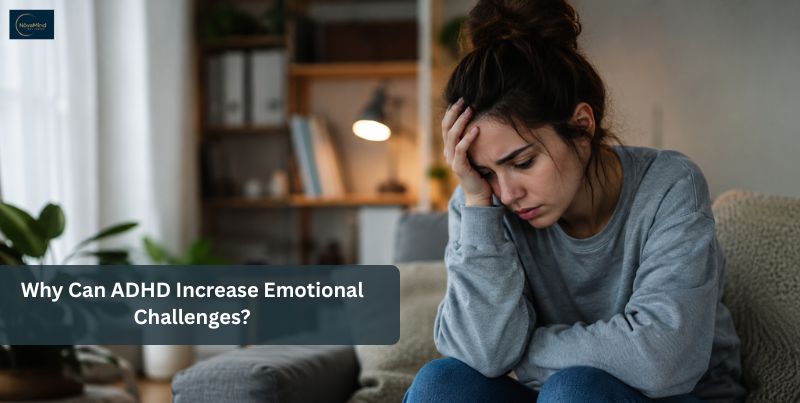
Many people think ADHD only affects focus and attention, but emotional regulation is also closely connected to how the brain functions. People with ADHD may react quickly before fully processing a situation. Even small problems can feel overwhelming in the moment, leading to anger, frustration, tears, or emotional shutdown. Some individuals with ADHD experience emotions more intensely and may struggle to calm down after stressful situations. These emotional reactions are real and are not simply caused by immaturity or overreacting.
Common ADHD Symptoms Linked To Emotional Challenges
Many ADHD symptoms impact emotions either directly or indirectly. These emotional struggles can look different depending on age and personality.
Common signs of emotional and behavioral disorders are:
- Rapidly frustrated
- Changes in mood
- Poor patience
- Problems with managing criticism
- Outbursts of emotion
- Anxiety and stress during stressful situations
- Feeling overwhelmed
- Impulsive reactions
- Low self-esteem
- Shame after mistakes
Other ADHD symptoms can include:
- Forgetfulness
- Problems with focusing
- Poor time management
- Restlessness
- Interrupting conversations
- It is difficult to finish tasks
- Frequently losing important items
- Difficulty staying organized
These battles can cause an emotional burden over time.
Emotional Burnout Is Common
Many people with ADHD spend years trying to “keep up” with others. They often work much harder than people realize just to stay organized, focused, or emotionally balanced. Constant criticism or correction from parents, teachers, coworkers, or partners can slowly damage self-confidence over time.
A child might hear:
- “Pay attention.”
- “Try harder.”
- “Stop forgetting things.”
Adults may be able to hear:
- “You never listen.”
- “You are always late.”
- “Why can’t you stay organized?”
Hearing these messages repeatedly can create emotional stress and self-doubt. Over time, many people begin feeling like they are constantly failing, even when they are trying their best..
How Emotional Challenges Affect Daily Life?
Emotional challenges related to ADHD can affect nearly every part of daily life.
School Challenges
Teens and children who have ADHD might feel embarrassed when they slip up or fail to follow instructions. Many students avoid asking for help because they fear being judged or misunderstood.
Stress from emotions can trigger:
- School avoidance
- Anger in the class
- Motivation is low
- Trouble with friends
- Fear of failing
Some students become very quiet. Some students become disruptive. Both reactions can be connected to emotional frustration and stress.
ADHD and Emotional Health: Signs and Support Options
ADHD can affect emotional health as much as attention and focus. Signs may include mood swings, frustration, impulsive reactions, and difficulty handling stress. Understanding these challenges and exploring support options can help improve emotional regulation, resilience, and overall well-being.
Start With A Free ConsultationRelationship Challenges
ADHD can also impact the way people communicate and interact.
A person could:
- Interrupt other people
- Don’t forget plans
- React emotionally when confronted
- Find it difficult to pay attention
- Become defensive after criticism
Family members and partners may sometimes feel confused by these behaviors. They may believe that the individual is not interested. In reality, the person may simply feel overwhelmed or emotionally overstimulated.
The strong emotions of people can cause guilt following conflicts.
Work Challenges
Adults who have ADHD might have difficulty with time management, deadlines and multitasking. Stress at work can get worse when errors are repeated.
A few adults feel exhausted from trying to remain focused throughout the day. Some people fear that they will disappoint their colleagues or managers.
The stress of this situation can lead to stress and anxiety as well as emotional fatigue.
Why Rejection Feels So Strong For Many People With ADHD?
Many people with ADHD are highly sensitive to criticism or rejection. Even small comments may feel emotionally painful. This often develops after years of being corrected, misunderstood, or criticized by others, which can increase emotional anxiety and self-doubt over time.
One could overthink:
- A quick text message response
- A slight dispute
- A negative facial expression
- A slip at school or at work
Some people begin avoiding social situations because they fear rejection or embarrassment. Others become defensive as a way to protect themselves emotionally.
This is often referred to as rejection sensitive. It can impact relationships with friends as well as relationships with families, dating and even confidence.
Why Many Adults Continue To Struggle?
ADHD does not disappear after childhood. Many adults still experience issues with attention and emotions.
Many adults have never been identified as children. Many spend years wondering why everyday tasks seem harder for them than for others.
Adults who have ADHD might have trouble with:
- Financial organization
- Time management
- Controlling emotions
- Stress at work
- Conflicts in relationships
- Parenting stress
- Low confidence
Many adults feel emotionally exhausted from constantly trying to stay organized and in control. This is why good support is crucial.
Nova Mind Wellness provides mental health services for behavioral and emotional issues that can affect the daily life of both adults and adolescents.
How ADHD Treatment Can Help?
ADHD treatment is not only focused on improving attention and focus. Effective support can also help people manage emotions, routines, stress, and daily responsibilities more successfully. ADHD treatment could consist of:
- Behavioral therapy
- Support for building skills
- Counseling
- Strategies for emotional regulation
- Family assistance
- Lifestyle Changes in lifestyle
- The management of medications when needed
Therapy can help people better understand how ADHD affects emotions, behavior, and daily functioning.
Skills that can be helpful include:
- Plan routines
- Breaking tasks down into steps
- How to manage the frustration
- Improved communication
- The ability to manage emotional triggers
- Making healthier choices
ADHD treatment is most effective when it is tailored to each person. Everyone has their own unique struggles.
What To Know About ADHD Treatment For Adults?
ADHD treatment for adults often focuses on both emotional and practical challenges.
Adults might require assistance in:
- Managing schedules
- Keeping yourself well-organized
- Reducing impulse reactions
- Improving work performance
- Reducing stress
- Improving relationships
ADHD treatments for adults can include treatment for burnout, anxiety or low confidence that results from many years of suffering from inactive symptoms.
Many adults feel relieved having finally figured out why certain tasks have always seemed difficult.
Support for adults can help them get over their self-blame and start creating systems that are realistic and meet their requirements.
At Nova Mind Wellness, mental health care could include counseling to regulate emotions, coping techniques, and longer-term support for wellness for people who are struggling with attention issues and problems with their behavior.
Ways Families Can Offer Better Support
Family support is essential for those with ADHD.
Some helpful strategies include:
- Clear and precise instructions
- Refraining from harsh criticism
- Using calm communication
- Making routines
- Not just outcomes
- Breaking tasks down into smaller steps
- Allowing brief breaks during stressful times
Parents and partners need to be aware that emotions are typically related to stress rather than disrespect. Staying calm and listening carefully can reduce emotional stress more effectively than arguing.
Conclusion
ADHD is more than just attention. It has a profound impact on emotions as well as confidence, relationships and even daily life. Many people with ADHD feel misunderstood because others focus only on attention problems and overlook the emotional struggles underneath.
Understanding these emotional challenges can help families respond with more patience and support.
Nova Mind Wellness can support families and individuals seeking assistance with behavioral and emotional issues related to ADHD.
When emotional struggles start affecting daily life, early support and understanding can make a lasting difference.
FAQs
1. Can ADHD Cause Emotional Problems?
Yes. ADHD can influence the way that people regulate their emotions. A lot of people experience mood swings, as well as anger and anxiety, more intensely than others.
2. Are Emotional Outbursts Common ADHD Symptoms?
They may be. People with ADHD are prone to rapid reactions in stressful situations since controlling emotions can be difficult at times.
3. Does Attention Deficit Hyperactivity Disorder Affect Adults Too?
Yes. ADHD persist through adulthood. A lot of adults have issues with organizing, emotional stress, as well as concentration, and interpersonal relationships.
4. What Is Included In ADHD Treatment?
ADHD treatment can consist of therapy, coping strategies, behavioral support, lifestyle modifications and medication management based on the individual’s requirements.
5. How Does ADHD Treatment For Adults Help?
ADHD treatments for people of all ages could aid in improving concentration, emotional control, time management, communication, and stress management in everyday life.
6. Can Therapy Help With ADHD Emotions?
Yes. Therapy can assist people in identifying emotional triggers, developing strategies for coping, and dealing with anger more healthily.