

Medically Reviewed by: Akhtar Hossain, Physician – expert in helping people with serious mental illnesses, including but limited to Major depression, bipolar disorder, schizophrenia, anxiety, ADHD, autistic spectrum disorder, substance use disorders.
If your teenager has become withdrawn, irritable, or no longer seems interested in the things they once loved, you may be asking yourself one difficult question: “Is this normal teenage behavior, or is my child struggling with depression?”
Every teenager experiences emotional ups and downs. Hormonal changes, school stress, friendships, social media, and growing independence can all affect mood. But when sadness, hopelessness, irritability, or emotional withdrawal persist for weeks and begin interfering with daily life, they may signal something more serious than a temporary phase.
According to the National Institute of Mental Health (NIMH), millions of adolescents experience a major depressive episode each year, yet many go undiagnosed because parents mistake the symptoms for “typical teenage behavior.” Early recognition is one of the most important factors in helping teens recover.
At Nova Mind Wellness, we help families throughout Morris Plains, Morristown, Parsippany, Randolph, Denville, Madison, Chatham, Florham Park, and surrounding New Jersey communities recognize the early signs of depression and connect teens with evidence-based mental health care before symptoms become more severe.
Explore the conditions we treat:
https://novamindwellness.com/conditions/
Quick Answer: Is My Teen Depressed or Just Going Through a Phase?
Teenagers naturally experience mood swings, frustration, and periods of wanting more independence. However, depression is different from normal adolescent behavior because symptoms are persistent, affect multiple areas of life, and interfere with school, relationships, sleep, motivation, or everyday functioning.
If your teenager has been struggling for more than two weeks and you’re noticing significant emotional or behavioral changes, it’s important to seek a professional mental health evaluation rather than waiting to see if things improve on their own.
Early intervention often leads to better recovery outcomes.
Why Parents Often Miss the Early Signs of Teen Depression
One of the biggest misconceptions about depression is that it always looks like sadness.
In teenagers, depression frequently appears as:
- Irritability instead of crying
- Anger instead of sadness
- Isolation instead of asking for help
- Exhaustion instead of laziness
- Poor grades instead of lack of motivation
Because these behaviors can resemble “typical teenage attitudes,” many families don’t realize something more serious is happening until symptoms begin affecting school performance, friendships, or family relationships.
The earlier parents recognize these warning signs, the sooner treatment and support can begin.
Depression vs. Normal Teenage Mood Swings
This is one of the most common questions parents ask.
“How do I know if my teenager is just moody or actually depressed?”
The table below highlights some important differences.
| Normal Teen Behavior | Possible Signs of Depression |
|---|---|
| Mood changes that improve after a few hours or days | Persistent sadness, emptiness, or irritability lasting more than two weeks |
| Wants occasional privacy | Consistently isolates from family and friends |
| Temporary frustration with school | Loses interest in school, hobbies, or future goals |
| Arguments with parents | Withdraws emotionally from nearly everyone |
| Upset after a specific event | Negative mood with no clear reason or that doesn’t improve |
| Still enjoys favorite activities | No longer enjoys sports, music, gaming, or spending time with friends |
| Sleep changes during busy periods | Ongoing sleep problems or sleeping excessively |
| Temporary stress before exams | Constant feelings of hopelessness or worthlessness |
One difficult day doesn’t usually indicate depression. A consistent pattern over time deserves attention.
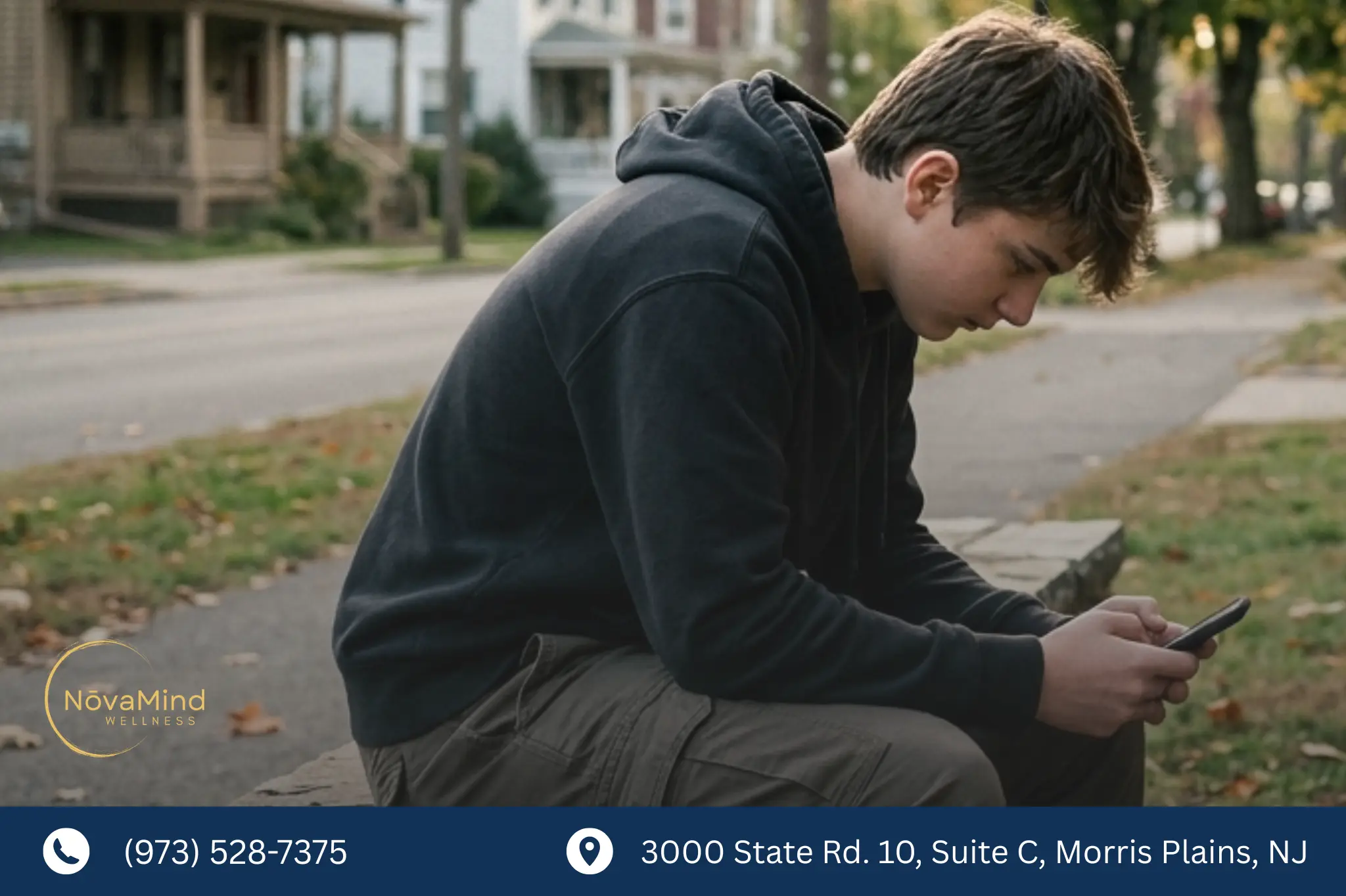
Why Early Detection Matters
Depression isn’t simply a phase that teenagers always outgrow.
Without appropriate support, symptoms may affect:
- Academic performance
- Self-esteem
- Relationships with family and friends
- Physical health
- Emotional development
- Risk of substance use
- Long-term mental health
Recognizing depression early doesn’t mean labeling your child—it means giving them access to support before problems become more difficult to manage.
15 Warning Signs Parents Should Never Ignore
No single symptom confirms depression.
However, when several of the following signs occur together and continue for two weeks or longer, it’s time to consider a professional evaluation.
1. Your Teen No Longer Enjoys the Things They Used to Love
One of the earliest signs of depression is the gradual loss of interest in activities that once brought happiness.
Parents may notice their teenager:
- Quits sports unexpectedly.
- Stops playing music.
- Loses interest in hobbies.
- Avoids spending time with friends.
- Gives up activities they once looked forward to.
Many parents assume their child is simply “growing out of” certain interests.
But when a teenager begins losing interest in everything, depression becomes a possibility that shouldn’t be ignored.
Real-Life Example
A father in Morris Plains noticed his 15-year-old son stopped attending soccer practice after years of loving the sport. At first, he assumed his son had simply lost interest. Over the following month, however, he also stopped hanging out with friends, spent most evenings alone in his room, and began saying that “nothing really matters anymore.”
What initially looked like changing interests was actually one of the earliest signs of depression.
2. Persistent Sadness or Irritability That Doesn’t Go Away
Adults often associate depression with crying.
Teenagers frequently experience it differently.
Instead of appearing sad, many teens become:
- Easily frustrated
- Short-tempered
- Emotionally reactive
- Angry over small situations
- Constantly “on edge”
Parents may hear:
- “Leave me alone.”
- “Nobody understands.”
- “I don’t care.”
While occasional irritability is normal during adolescence, persistent mood changes that affect daily functioning deserve attention.
3. Withdrawing From Friends and Family
Teenagers naturally seek more independence.
Depression-related isolation looks different.
Instead of wanting healthy privacy, teens may begin avoiding nearly everyone.
You may notice they:
- Eat meals alone.
- Spend entire weekends in their room.
- Stop answering messages.
- Avoid family activities.
- Cancel plans with close friends.
Isolation often becomes both a symptom and a contributor to worsening depression.
4. Significant Changes in Sleep
Sleep disturbances are among the most overlooked symptoms of teen depression.
Some teenagers:
- Sleep 12–14 hours every day.
- Struggle to fall asleep.
- Wake frequently during the night.
- Feel exhausted regardless of how much they sleep.
Parents sometimes mistake this for laziness.
In reality, disrupted sleep and depression frequently occur together.
5. Changes in Appetite or Weight
Depression affects more than emotions.
It can also influence physical health.
Warning signs include:
- Eating significantly less.
- Emotional eating.
- Sudden weight changes.
- Skipping meals.
- Loss of interest in favorite foods.
Physical symptoms often appear before teenagers recognize they’re experiencing depression.
6. Declining Grades or Loss of Motivation
Parents commonly assume falling grades mean their teenager isn’t trying hard enough.
Depression can make concentration, memory, motivation, and decision-making much more difficult.
Warning signs include:
- Missing assignments.
- Forgetting homework.
- Difficulty concentrating.
- Frequent absences.
- Teachers reporting noticeable behavioral changes.
Parent Scenario
A mother from Morristown believed her daughter’s slipping grades were caused by excessive phone use.
After speaking with school staff, she learned her daughter had become withdrawn in class, stopped participating in discussions, and rarely interacted with classmates.
Her academic struggles weren’t caused by a lack of intelligence—they were linked to untreated depression that affected her ability to focus and stay engaged.
When Should Parents Start Paying Attention?
A useful question isn’t:
“Is this behavior normal?”
Instead, ask:
“Is this behavior significantly different from who my teenager usually is?”
Sudden or persistent changes in mood, motivation, relationships, sleep, or behavior often provide more meaningful clues than any single symptom.
The earlier families recognize these patterns, the sooner they can connect their teenager with appropriate support.
7. Persistent Feelings of Worthlessness or Low Self-Esteem
Every teenager experiences moments of self-doubt.
However, depression often causes those thoughts to become persistent, overwhelming, and deeply personal.
Parents may hear statements like:
- “I’m not good enough.”
- “Everyone would be happier without me.”
- “I always mess everything up.”
- “I’m a disappointment.”
- “Nobody actually likes me.”
Unlike normal teenage insecurity, these beliefs don’t disappear after reassurance. They often become part of how a teenager views themselves.
Why It Matters
Research consistently shows that persistent negative self-beliefs are closely associated with adolescent depression and can increase the risk of worsening symptoms if left untreated.
If your teenager repeatedly speaks negatively about themselves, avoid dismissing those comments as “attention-seeking.” Instead, view them as an opportunity to start a supportive conversation and consider seeking professional guidance.
8. Constant Anxiety Alongside Depression
Parents often ask:
“Why is my teenager so depressed and anxious all the time?”
The answer is that depression and anxiety frequently occur together.
In fact, many teenagers don’t experience one condition without the other.
Signs of anxiety alongside depression may include:
- Constant worrying
- Panic attacks
- Fear of making mistakes
- Perfectionism
- Avoiding school or social situations
- Difficulty relaxing
- Physical symptoms such as stomachaches or headaches before school
When depression and anxiety occur together, daily life can become especially overwhelming.
Your teenager may want to succeed academically or socially but feel emotionally unable to cope with everyday pressures.
Real-Life Scenario
A 16-year-old from Randolph appeared highly motivated but constantly worried about grades, college applications, and disappointing her parents.
She stopped sleeping well, cried before school, and eventually began refusing to attend classes.
Her parents initially believed she was simply “stressed.”
A professional evaluation revealed that she was experiencing both anxiety and depression, requiring a treatment plan that addressed both conditions.
9. Frequent Physical Complaints With No Clear Medical Cause
Depression doesn’t only affect emotions—it often affects the body.
Teenagers may complain about:
- Headaches
- Stomach pain
- Muscle tension
- Fatigue
- Dizziness
- Nausea
Medical evaluations sometimes find no physical explanation for these symptoms.
That doesn’t mean the pain isn’t real.
Mental health and physical health are closely connected, and emotional distress often appears through physical symptoms.
If repeated medical visits don’t identify a cause, discussing emotional well-being with your pediatrician or a mental health professional may be appropriate.
10. Increased Irritability, Anger, or Emotional Outbursts
One of the most misunderstood symptoms of teen depression is anger.
Many depressed teenagers don’t appear sad.
Instead, they may become:
- Easily frustrated
- Argumentative
- Defensive
- Emotionally explosive
- Sensitive to criticism
Parents sometimes assume these behaviors reflect disrespect or defiance.
In reality, depression often makes it much harder for teenagers to regulate emotions.
Depression Doesn’t Always Look Quiet
For some adolescents, depression looks like:
- Slamming doors
- Snapping at family members
- Yelling over small disagreements
- Becoming overwhelmed quickly
- Emotional shutdown after conflict
Looking beyond the behavior to understand the underlying emotional struggle can help parents respond more effectively.
11. Loss of Hope About the Future
Healthy teenagers usually make plans.
They talk about:
- College
- Careers
- Vacations
- Sports
- Friendships
- Goals
Depression often changes that outlook.
Parents may notice comments like:
- “What’s the point?”
- “Nothing will ever get better.”
- “I don’t care anymore.”
- “It doesn’t matter.”
Hopelessness is one of the strongest indicators that professional evaluation is needed.
Rather than debating these statements or trying to “talk your teen out of them,” respond with empathy and curiosity.
For example:
“I’m really glad you told me that. Can you help me understand what you’re feeling?”
12. Risky or Self-Destructive Behaviors
Some teenagers cope with emotional pain through unhealthy behaviors rather than talking about how they feel.
Warning signs include:
- Reckless driving
- Substance use
- Skipping school
- Running away
- Unsafe relationships
- Self-harm behaviors
These actions are often attempts to cope with overwhelming emotional distress—not simply “bad choices.”
When these behaviors appear alongside other depression symptoms, professional mental health support becomes especially important.
13. Talking About Death, Suicide, or Self-Harm
This is one warning sign that should never be ignored.
Parents sometimes hesitate because they worry they might be overreacting.
It’s always better to take these conversations seriously.
Warning signs include:
- Talking about wanting to disappear.
- Saying others would be better off without them.
- Discussing death frequently.
- Writing goodbye messages.
- Giving away meaningful possessions.
- Searching online for suicide-related topics.
- Evidence of self-harm.
When to Seek Immediate Help
If your teenager talks about suicide, expresses intent to harm themselves, or you believe they are in immediate danger, seek emergency mental health assistance right away.
Prompt intervention can save lives.
14. Friends, Teachers, or Coaches Notice a Change First
Parents aren’t always the first people to recognize depression.
Sometimes teachers notice:
- Falling grades.
- Withdrawal from classmates.
- Lack of participation.
- Increased absences.
Coaches may notice:
- Reduced energy.
- Loss of motivation.
- Missing practices.
Friends may mention:
- Your teen doesn’t text anymore.
- They’re always cancelling plans.
- They don’t seem like themselves.
When several trusted adults express similar concerns, it’s worth paying close attention.
15. You Feel Deep Down That Something Isn’t Right
Parents often say:
“I can’t explain it, but my child just isn’t themselves.”
That intuition matters.
You know your teenager better than anyone else.
If you’ve noticed:
- Personality changes
- Emotional withdrawal
- Persistent sadness
- Constant irritability
- Loss of motivation
- Changes in sleep, appetite, or school performance
don’t ignore those instincts simply because your teen tells you they’re “fine.”
Professional evaluations aren’t about labeling teenagers—they’re about understanding what’s happening and identifying the right support.
Risk Factors That May Increase the Likelihood of Teen Depression
While depression can affect any adolescent, certain factors may increase vulnerability.
| Risk Factor | Why It Matters |
|---|---|
| Family history of depression or anxiety | Genetics may increase susceptibility. |
| Bullying or cyberbullying | Can significantly affect self-esteem and emotional health. |
| Academic pressure | Ongoing stress and perfectionism may contribute to depression. |
| Trauma or adverse childhood experiences | Emotional trauma can affect long-term mental health. |
| Social isolation | Lack of supportive relationships may increase emotional distress. |
| Chronic medical conditions | Living with ongoing health challenges can affect mood. |
| Substance use | Alcohol or drug use may worsen existing depression symptoms. |
Having one or more risk factors does not mean your teenager will develop depression, but it may increase the importance of monitoring emotional well-being.

A Parent’s Self-Assessment Checklist
If you’ve answered “Yes” to several of the questions below, it may be time to schedule a professional mental health evaluation.
✓ Has my teenager changed noticeably over the past few weeks?
✓ Have these behaviors lasted longer than two weeks?
✓ Is school performance declining?
✓ Have they withdrawn from family or friends?
✓ Are they sleeping or eating much more—or much less—than usual?
✓ Have they stopped enjoying activities they once loved?
✓ Do they frequently express hopelessness or worthlessness?
✓ Have teachers, coaches, or friends noticed changes?
✓ Do I feel something simply isn’t right?
Remember, depression isn’t diagnosed by a checklist alone—but these questions can help parents recognize when additional support may be needed.
Early Support Can Change the Outcome
One of the most encouraging things parents should know is this:
Teen depression is highly treatable.
The earlier symptoms are recognized, the sooner families can begin evidence-based treatment that helps teenagers regain confidence, reconnect with others, and develop healthy coping skills.
At Nova Mind Wellness, we help families across Morris Plains, Morristown, Parsippany, Randolph, Denville, Madison, Chatham, Florham Park, and nearby New Jersey communities understand what their teenager is experiencing and determine the most appropriate next steps.
In the final section, we’ll answer the questions parents ask most often, explain when to seek professional help versus emergency care, share practical next steps, and provide resources to help your family move forward with confidence.
What Should You Do If You Think Your Teen Is Depressed?
Recognizing the warning signs is an important first step—but many parents still wonder:
“What should I do next without making things worse?”
The goal isn’t to diagnose your teenager at home. Instead, it’s to create a supportive environment while seeking guidance from a qualified mental health professional.
Step 1: Start the Conversation
Choose a quiet time when neither of you is rushed or distracted.
Instead of focusing on behaviors like poor grades or staying in their room, focus on the changes you’ve noticed.
For example:
- “I’ve noticed you haven’t seemed like yourself lately.”
- “You don’t have to go through this alone.”
- “I’m here to listen—not judge.”
- “I’ve noticed you’ve been sleeping more and spending less time with your friends. How are you feeling?”
Your teenager may not open up immediately—and that’s okay. The goal is to let them know you’re available, supportive, and willing to listen whenever they’re ready.
Step 2: Schedule a Professional Mental Health Evaluation
Many parents wait, hoping symptoms will improve on their own.
Unfortunately, untreated depression can affect nearly every aspect of a teenager’s life, including relationships, academic performance, self-esteem, and long-term emotional well-being.
A comprehensive evaluation helps determine:
- Whether your teen is experiencing depression, anxiety, or another mental health condition.
- How severe their symptoms are.
- Whether therapy, psychiatric care, or another level of support is appropriate.
- The treatment options most likely to help.
At Nova Mind Wellness, our clinical team works with families to create individualized treatment plans based on each teenager’s unique needs.
Learn more about the mental health conditions we treat: What we treat
Step 3: Don’t Wait for Things to Get “Bad Enough”
One of the biggest mistakes parents make is believing they should wait until their child reaches a crisis before seeking help.
In reality, early intervention is associated with better outcomes.
Seeking support when symptoms first appear may help reduce the impact depression has on school, relationships, confidence, and overall development.
Remember:
You don’t need to have all the answers before asking for help.
When Should Parents Seek Immediate Help?
Some situations require urgent professional attention.
Seek immediate evaluation or emergency care if your teenager:
- Talks about suicide or wanting to die.
- Has a suicide plan or intent.
- Engages in self-harm.
- Becomes unable to care for themselves.
- Experiences severe emotional distress that creates immediate safety concerns.
If you believe your child is in immediate danger, do not wait for a routine therapy appointment. Contact your local emergency services or go to the nearest emergency department immediately.
Frequently Asked Questions
Q. Is it normal for teenagers to be depressed?
Teenagers naturally experience emotional ups and downs, but persistent sadness, hopelessness, emotional withdrawal, or loss of interest lasting more than two weeks is not considered a normal part of adolescence and should be evaluated by a mental health professional.
Q. Is my teenager depressed or just stressed?
Stress usually improves after the stressful situation passes.
Depression tends to persist, affect multiple areas of life, and interfere with school, relationships, sleep, motivation, or daily functioning.
If you’re unsure, a professional evaluation can help determine what’s contributing to your teenager’s symptoms.
Q. Can anxiety and depression happen together?
Yes.
Many adolescents experience both anxiety and depression simultaneously. They often share symptoms such as difficulty concentrating, sleep problems, irritability, and emotional overwhelm.
Treating both conditions together generally leads to better outcomes than addressing only one.
Q. Can teenagers recover from depression?
Absolutely.
With early intervention, evidence-based therapy, supportive caregivers, and individualized treatment, many teenagers experience significant improvement and go on to live healthy, fulfilling lives.
Recovery looks different for every teen, but depression is treatable, and hope is real.
Q. Does every teenager with depression need medication?
No.
Many teens improve through therapy alone, while others may benefit from a combination of therapy and medication.
Medication decisions should always be made collaboratively with a qualified psychiatric provider after a comprehensive assessment.
Q. What if my teenager refuses to talk?
This is more common than many parents realize.
Continue creating opportunities for conversation without forcing them to open up.
Focus on consistency, patience, and reassurance rather than repeated pressure.
Sometimes teenagers are more willing to speak with a mental health professional than with family members—and that’s okay.
The goal is ensuring they receive support from someone they trust.
Why Choosing the Right Mental Health Provider Matters
Not every therapist specializes in adolescent mental health.
Teenagers have unique emotional, developmental, academic, and social needs that require specialized knowledge and evidence-based treatment approaches.
At Nova Mind Wellness, our team provides compassionate care tailored specifically to adolescents experiencing:
- Depression
- Anxiety
- Emotional regulation challenges
- School-related stress
- Low self-esteem
- Mood disorders
- Other mental health concerns
Our approach emphasizes collaboration between teenagers, parents, and clinicians to create treatment plans that support long-term emotional wellness—not just symptom management.
Learn more about our Teen Counseling & Psychiatry services:
If outpatient treatment is the right level of care, explore our Teen Outpatient Mental Health Program:
Serving Families Across Morris County and Northern New Jersey
Nova Mind Wellness proudly supports teenagers and families throughout:
- Morris Plains
- Morristown
- Parsippany
- Randolph
- Denville
- Madison
- Chatham
- Florham Park
- Mountain Lakes
- Nearby Northern New Jersey communities
Whether your teenager is beginning to show warning signs or has been struggling for some time, our team is committed to providing compassionate, evidence-based mental health care that meets them where they are.
Take the First Step Before Symptoms Become More Severe
If you’ve read this article because you’re wondering whether your teenager’s behavior is “just a phase,” trust that your concern matters.
Parents often recognize subtle changes long before anyone else.
Reaching out for professional guidance isn’t an overreaction—it’s a proactive step that can make a meaningful difference in your child’s life.
If your teenager has been experiencing persistent sadness, emotional withdrawal, irritability, changes in sleep, declining grades, or loss of interest in activities they once loved, don’t wait for those symptoms to worsen before seeking help.
Early recognition. Early support. Better outcomes.
Schedule a Confidential Teen Mental Health Assessment
At Nova Mind Wellness, we help families understand what their teenager is experiencing and recommend treatment options based on a comprehensive clinical evaluation.
📍 Nova Mind Wellness
3000 State Rd. 10, Suite C
Morris Plains, NJ
📞 Call: (973) 828-8075
Explore our services:
Mental Health Conditions
https://novamindwellness.com/conditions/
Teen Counseling & Psychiatry
https://novamindwellness.com/treatment-services/teen-counseling-psychiatry/
Teen Outpatient Mental Health
https://novamindwellness.com/treatment-services/teen-outpatient-mental-health/
Verify Your Insurance
https://novamindwellness.com/verify-insurance/
Final Thoughts
Depression in teenagers doesn’t always look the way parents expect. Sometimes it’s anger instead of sadness. Sometimes it’s exhaustion instead of laziness. Sometimes it’s silence instead of tears.
Learning to recognize these changes—and acting early—can significantly improve your teenager’s chances of recovery.
If something about your child’s behavior feels different, don’t ignore that instinct. Asking questions, seeking professional guidance, and starting a conversation today could be the first step toward helping your teen build a healthier, more hopeful future.