
Objective
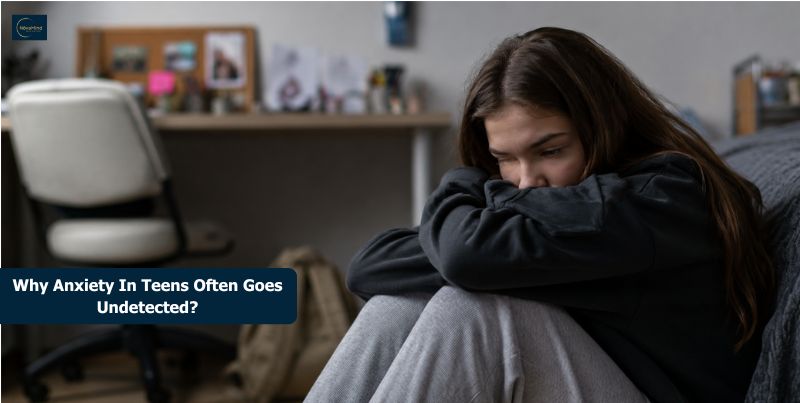
Teen life can look busy, moody, quiet, or confusing from the outside. That is one reason teen anxiety often goes unnoticed. A teen may still go to school, answer texts, play sports, and smile in public while feeling tense inside.
This blog explains why parents and caregivers may miss the signs, what changes to watch for, and when professional support may help. The goal is not to label every stressful day. The goal is to notice when worry starts affecting sleep, school, friendships, health, or daily life.
Key Takeaways
- Teen anxiety does not always look like fear or panic.
- Warning signs may appear as stomachaches, headaches, anger, silence, perfectionism, or school avoidance.
- A teen may seem “fine” because they still get good grades or follow rules.
- Parents should watch for changes in sleep, mood, habits, friendships, and daily routine.
- Repeated thoughts, rituals, or reassurance-seeking may need OCD-focused support.
- Early counseling can help teens understand worry before it controls daily life.
Table Of Contents
- Why Teen Anxiety Is Easy To Miss
- Warning Signs Teens May Hide
- When Normal Stress Becomes A Bigger Concern
- Why High-Functioning Teens Are Often Overlooked
- How School, Friends, And Phones Can Hide The Problem
- When Repeated Thoughts Or Rituals Need Support
- When Professional Help May Be Needed
- What Parents Can Do This Week
- FAQs
Why Anxiety In Teens Is Easy To Miss?
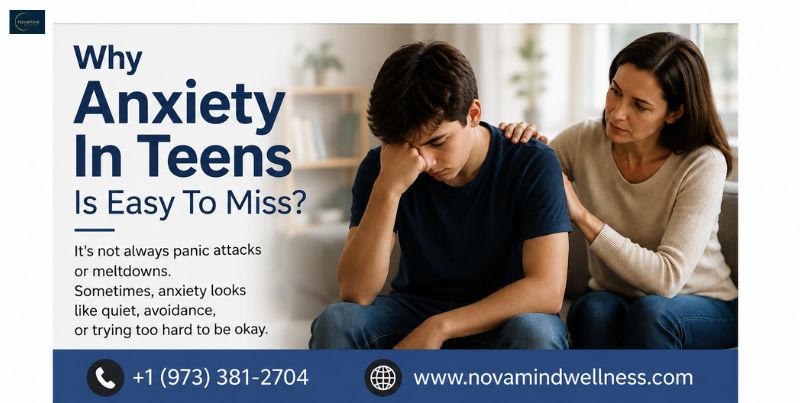
Anxiety is not always loud. Many teens hide it well. They may not want to worry their parents. They may feel embarrassed. Some may not have the words to explain what is happening inside.
A teen may say, “I’m just tired,” when they feel scared about school. Another may say, “My stomach hurts,” before a social event. Some may snap at family because they feel overwhelmed but do not know how to ask for help.
This is why anxiety can be missed for months. Adults may see attitude. The teen may be feeling fear.
The CDC explains that fear and worry are normal at times, but persistent or extreme fear can point to a deeper concern. It also notes that talking with a health care provider or mental health specialist is a good first step when parents are concerned.
Common Anxiety Symptoms Teens May Hide
Many anxiety symptoms do not look emotional at first. They may show up in the body, habits, or school life.
A teen may have:
- Frequent headaches or stomachaches
- Trouble sleeping
- Restlessness
- Avoidance of school or social plans
- Sudden anger over small things
- Constant need for reassurance
- Fear of making mistakes
- Trouble focusing
- Changes in eating patterns
- Pulling away from friends or family
NIMH lists warning signs in children that may include frequent stomachaches or headaches without a known medical cause, worry, sleep changes, and trouble making friends. These signs do not always mean a teen has a mental health condition, but they should be taken seriously when they continue.
Physical Anxiety Symptoms Can Look Like Everyday Complaints
Physical anxiety symptoms are often misunderstood. A parent may think a teen is avoiding school. A teacher may think the teen is not trying hard enough. The teen may also believe something is wrong with their body.
This can lead to confusion.
For example, a teen may feel sick before class presentations. Another may feel dizzy before a crowded event. These body signals can feel real and scary. They are not “fake.” The body may be reacting to stress.
When these patterns repeat, it is worth asking gentle questions.
Try asking:
- “Does this happen before certain classes or events?”
- “Do you feel better once you are home?”
- “Are you worried about something but not sure how to say it?”
- “Would it help to talk through what feels hard?”
These questions feel safer than blame.
When Anxiety Disorder Looks Like Normal Teen Stress?
Every teen feels stress. Tests, friendships, sports, family changes, and social pressure can all feel heavy. The difference is how long the stress lasts and how much it affects daily life.
An anxiety disorder may be present when fear or worry becomes hard to control. It may affect school, sleep, relationships, eating, or daily choices. A teen may start avoiding things they once handled well.
This is where many families get stuck. They think, “All teens are stressed.” That can be true. But the ongoing fear that changes a teen’s routine should not be ignored.
An anxiety disorder can also look different from one teen to another. One teen may cry often. Another may become angry. Another may become quiet and withdrawn. Some may become perfectionists, spending hours trying to avoid mistakes.
CDC data from 2022–2023 shows that 11% of U.S. children ages 3–17 had current, diagnosed anxiety. While this includes younger children as well as teens, it shows how common anxiety concerns are among young people.

.
Why High-Functioning Teens Are Often Overlooked?
Some teens look successful on the outside. They get good grades. They follow rules. They help at home. They may even seem mature for their age.
But they may still struggle inside.
High-functioning teens often hide anxiety because they fear disappointing others. They may think they must always perform well. They may not want to seem weak. They may also believe they should handle everything on their own.
Parents may miss the signs because the teen is still “doing well.”
Look beyond grades. Ask about effort, sleep, pressure, and mood.
A teen may be struggling if they:
- spend too much time trying to make schoolwork perfect
- panic over small mistakes
- avoid rest because they feel guilty
- need constant approval or reassurance
- seem tense even after doing well
- break down only at home
- lose interest in things they used to enjoy
Strong performance does not always mean strong mental health.
How School, Friends, And Phones Can Hide Anxiety?
Teen anxiety often blends into daily life. School pressure may hide it. Social media may hide it. Friend problems may hide it.
A teen may compare themselves to others all day. They may worry about being judged. They may fear being left out. They may feel pressure to reply fast, look happy, and stay connected.
School can add more pressure. Tests, sports, college planning, and social groups can make a teen feel trapped. Some teens start avoiding school because the day feels too hard. AACAP notes that school avoidance can be linked to worries about performance or social pressure and may create a cycle of physical complaints and avoidance.
This does not mean every bad school day is a crisis. It means repeated avoidance needs care.
How OCD Treatment Connects With Teen Anxiety?
Some teens do not only worry. They may also feel trapped by repeated thoughts or habits. This can happen with obsessive-compulsive disorder, often called OCD.
A teen may feel driven to check, count, clean, repeat, or ask for reassurance again and again. They may know the habit does not make sense, but stopping can feel very hard.
Support for OCD should be careful and structured. It is not about forcing a teen to “just stop.” Many teens need guided care that helps them understand the cycle of unwanted thoughts, fear, and repeated actions.
A teen may need OCD-focused support if repeated thoughts or rituals:
- take up a lot of time
- cause distress
- affect school or sleep
- lead to family conflict
- make daily routines harder
- create shame or secrecy
Parents may also need guidance. Families often need help learning when to reassure, when to step back, and how to respond calmly.
Teen Anxiety Can Look Different Than You Expect
Not all teens express anxiety through panic or fear. Some may become distant, frustrated, tired, or overwhelmed in daily life. Recognizing these less obvious signs can help parents and caregivers better understand their teen’s emotional needs and offer meaningful support and reassurance.
Start With A Free ConsultationWhen Therapy For Anxiety May Help?
Professional support may help when worry starts to control a teen’s choices. It can also help when parents are unsure what is normal and what needs attention.
Counseling gives teens a safe place to talk without feeling judged. It can help them understand how thoughts, feelings, and body reactions connect. It can also teach practical skills for school, home, friendships, and stressful moments.
Support may be useful when a teen:
- avoids school, friends, or activities
- has repeated panic or fear
- cannot sleep well
- needs constant reassurance
- becomes very irritable
- feels unable to relax
- has ongoing physical complaints
- seems overwhelmed by small tasks
Getting help does not mean a teen has failed. It means they are learning skills earlier, before the problem becomes harder to manage.
What Parents Can Do This Week?
Start small. You do not need a perfect plan.
Try these steps:
- Notice patterns, not one bad day.
- Ask calm questions.
- Avoid calling the teen lazy or dramatic.
- Watch sleep, eating, school, and social changes.
- Speak with a health care provider if concerns continue.
- Consider therapy for anxiety when daily life is affected.
- Seek urgent professional help right away if your teen may be at risk or cannot stay safe.
The goal is not to label every feeling. The goal is to notice when a teen is no longer coping well.
Conclusion
Teen anxiety often goes undetected because it hides behind normal life. It may look like moodiness, silence, stomach pain, school stress, perfectionism, or anger. Many teens do not know how to explain what they feel. Many parents do not know what to look for at first.
The best response is steady and calm. Watch for patterns. Listen without blame. Ask clear questions. Get support when worry starts affecting sleep, school, friendships, health, or daily routine.
Nova Mind Wellness supports families who need teen-focused mental health care and guidance. If your teen seems different and you are not sure why, start with a calm conversation and reach out for professional support before the struggle grows.
FAQs
1. What Are The First Anxiety Symptoms Parents Should Notice?
Early anxiety symptoms may include poor sleep, stomachaches, headaches, irritability, school avoidance, and constant worry. Parents should look for patterns that persist beyond a short phase.
2. Can A Teen Have Anxiety And Still Get Good Grades?
Yes. Some teens with anxiety still perform well. They may work very hard to hide their stress. Good grades do not always mean a teen is emotionally okay.
3. When Does Anxiety Become An Anxiety Disorder?
Anxiety may become an anxiety disorder when fear or worry feels hard to control and starts affecting school, sleep, friendships, health, or daily routine.
4. Is OCD Treatment Different From General Anxiety Support?
Yes. OCD treatment often focuses on unwanted thoughts and repeated actions. It may use structured methods that help teens face fears without relying on rituals.
5. How Does Therapy For Anxiety Help Teenagers?
Therapy for anxiety helps teens understand worry, calm body reactions, challenge fearful thoughts, and build healthy coping skills for school, home, and social life.
6. Should Parents Wait To See If Teen Anxiety Goes Away?
A short stressful period may improve with support. But if symptoms persist or worsen, or affect daily life, parents should speak with a qualified professional.