
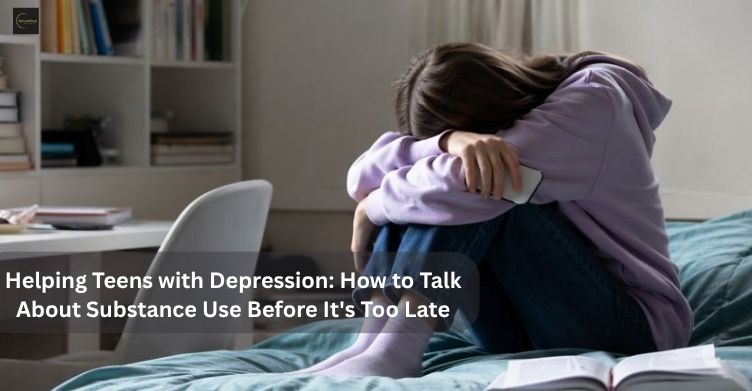
Objective
Teen years can be exciting, but they can also feel heavy. Many teens face pressure from school, friends, family, social media, and the future. Some stress is normal. But when worry, sadness, fear, or low energy stays for many days, it may be a sign of anxiety and depression. This blog explains early signs in simple words. It also explains when anxiety therapy for teenagers may help. Nova Mind Wellness is mentioned here as one name people may see while learning about teen mental health care.
Key Takeaways
- Anxiety and depression can look different in teens than in adults.
- Early signs may show up as mood changes, sleep changes, anger, fear, or school problems.
- Anxiety disorder symptoms can include strong worry, restlessness, fear, and avoiding normal activities.
- Depression may look like sadness, low interest, tiredness, or feeling hopeless.
- Anxiety therapy for teenagers can help teens learn coping skills and feel more supported.
- Parents should look for patterns, not one bad day.
Table Of Contents
- What Anxiety And Depression In Teens Can Look Like
- Why Early Signs Are Easy To Miss
- Common Anxiety Disorder Symptoms In Teens
- Early Signs Of Depression In Teens
- Anxiety And Depression Warning Signs At School
- Changes Parents May Notice At Home
- When Anxiety Therapy For Teenagers May Help
- How Parents Can Start A Calm Conversation
- FAQs
What Anxiety And Depression In Teens Can Look Like?
Anxiety and depression are not the same thing, but they can happen together. Anxiety often brings fear, worry, and tension. Depression often brings sadness, low energy, and loss of interest.
A teen with anxiety may seem worried all the time. They may ask for reassurance again and again. They may avoid school, friends, tests, calls, or new places.
A teen with depression may seem tired, quiet, angry, or disconnected. They may stop enjoying things they once liked. They may spend more time alone.
The National Institute of Mental Health notes that early treatment can help prevent more serious problems as a child grows older.
Why Early Signs Are Easy To Miss?
Teenagers change a lot. They may want privacy. They may become moody. They may sleep late. Because of this, parents may think every change is just a “teen phase.”
Sometimes it is. But sometimes it is more than that.
Early signs are easy to miss because they can look like:
- Normal stress
- Laziness
- Bad attitude
- Too much screen time
- School pressure
- Friendship drama
- Hormone changes
The key is to notice how long the change lasts. One rough day is normal. A pattern that continues for weeks needs attention.
Common Anxiety Disorder Symptoms In Teens
Anxiety becomes a concern when fear or worry starts to affect daily life. A teen may know their worry is too much, but still feel unable to stop it.
Common anxiety disorder symptoms include:
- Constant worry
- Trouble relaxing
- Restlessness
- Fast heartbeat during stress
- Stomachaches or headaches
- Trouble sleeping
- Avoiding school or social events
- Fear of making mistakes
- Panic feelings
- Needing repeated reassurance
The American Academy of Child and Adolescent Psychiatry explains that anxiety in teens may include strong worries, inner restlessness, and feeling very alert even when there is no clear danger.
Anxiety Disorder Symptoms Parents May Not Expect
Anxiety does not always look like fear. Sometimes it looks like anger. A teen may snap at small things because they feel overwhelmed inside.
It may also look like perfectionism. A teen may take too long on homework because they are scared of being wrong.
It can also look like avoidance. They may say they are sick before school, tests, parties, or family events.

Early Signs Of Depression In Teens
Depression in teens can show up as sadness, but it can also show up as anger, silence, tiredness, or withdrawal.
Early signs may include:
- Losing interest in hobbies
- Spending more time alone
- Sleeping too much or too little
- Eating more or less than usual
- Feeling tired often
- Crying more easily
- Caring less about school
- Feeling guilty or worthless
- Trouble focusing
- Pulling away from friends
The American Academy of Child and Adolescent Psychiatry lists sadness, irritability, loss of interest, sleep changes, low energy, poor focus, and school problems as common signs of depression in children and teens.
When Sadness Becomes A Warning Sign
Sadness is part of life. Teens may feel sad after a fight, loss, breakup, or hard day. That does not always mean depression.
It becomes more serious when the sadness stays, grows, or affects daily life. If a teen no longer enjoys anything, avoids people, or seems emotionally shut down, it is time to pay closer attention.
Anxiety And Depression Warning Signs At School
School often shows the first clear changes. A teen may not talk about how they feel, but their grades, attendance, and focus may change.
Watch for:
- Falling grades
- Missing assignments
- Skipping school
- Frequent nurse visits
- Fear before tests
- Trouble paying attention
- Dropping activities
- Avoiding group work
- Sudden behavior issues
Anxiety and depression can both affect learning. A teen may not be lazy. They may be mentally exhausted.
A teen with anxiety may fear failure. A teen with depression may feel too drained to try. Both need support, not shame.
Hidden Clues of Mental Health Struggles in Teenagers
Mood swings, withdrawal, changes in sleep, or loss of interest can be quiet signs a teen is struggling. These hidden clues often go unnoticed but matter deeply. Early support, open conversations, and care can help teens feel understood and begin to heal.
Start With A Free ConsultationChanges Parents May Notice At Home
Home is where many teens let their guard down. This means parents may see the stress first.
You may notice:
- More time alone in their room
- Less talking than usual
- More anger or crying
- Change in appetite
- Messy sleep habits
- Less interest in family time
- Loss of motivation
- More negative self-talk
- More complaints of pain or tiredness
Some teens will say, “I am fine,” even when they are not. They may not have the words to explain what is happening.
Nova Mind Wellness may appear when families search for anxiety therapy for teenagers, but the first step is simply noticing the signs without blame.
When Anxiety Therapy For Teenagers May Help?
Anxiety therapy for teenagers may help when worry, fear, sadness, or stress starts to affect daily life. Therapy gives teens a safe place to talk. It also teaches tools they can use outside the session.
Anxiety therapy for teenagers may help with:
- Understanding feelings
- Managing panic
- Handling school stress
- Building confidence
- Improving sleep habits
- Reducing avoidance
- Talking through family stress
- Learning calmer thinking patterns
Therapy is not about “fixing” a teen. It is about helping them understand themselves and cope better.
Some teens also need support for depression along with anxiety. A mental health professional can help decide what type of care is best.
How Parents Can Start A Calm Conversation?
The first conversation matters. Teens may shut down if they feel judged. Try to speak gently.
You can say:
- “I noticed you seem tired lately. Do you want to talk?”
- “You do not have to explain everything today.”
- “I am not angry. I just want to understand.”
- “We can find support together.”
- “You are not in trouble for feeling this way.”
Try not to say:
- “You are being dramatic.”
- “Other people have it worse.”
- “Just stop worrying.”
- “You have nothing to be sad about.”
- “This is just a phase.”
A calm voice helps. A quiet space helps. Listening helps more than giving a quick lecture.
When To Seek Help Quickly?
Parents should seek help when symptoms last, get worse, or affect school, sleep, relationships, or daily life. The CDC notes that ongoing or extreme fear and sadness may be signs of anxiety or depression in children.
Get urgent help if a teen seems unsafe, talks about not wanting to be here, or may harm themselves or someone else. Do not leave them alone in that moment. Contact local emergency services or a crisis support line right away.
FAQs
1. What Are The First Signs Of Anxiety And Depression In Teens?
Early signs may include mood changes, sleep problems, low energy, worry, anger, loss of interest, school issues, and pulling away from friends or family.
2. What Are Common Anxiety Disorder Symptoms In Teenagers?
Common anxiety disorder symptoms include constant worry, restlessness, stomachaches, fear of mistakes, trouble sleeping, panic feelings, and avoiding normal activities.
3. Can Anxiety And Depression Happen Together?
Yes. Many teens have anxiety and depression at the same time. A teen may feel worried, sad, tired, and overwhelmed all at once.
4. When Should Parents Consider Anxiety Therapy For Teenagers?
Parents may consider anxiety therapy for teenagers when worry, fear, sadness, or stress affects school, sleep, friendships, family life, or daily routines.
5. Is Teen Anger A Sign Of Depression?
It can be. Some teens show depression through anger or irritability instead of sadness. This is why parents should look at the full pattern.
6. Can Therapy Help If A Teen Does Not Want To Talk?
Yes, but it may take time. A good therapist helps teens feel safe slowly. Teens do not need to share everything in the first session.
7. How Can Parents Support A Teen At Home?
Parents can listen calmly, keep routines steady, avoid harsh judgment, encourage sleep, reduce pressure, and help the teen connect with support.
8. Is Anxiety Therapy For Teenagers Only For Severe Cases?
No. Anxiety therapy for teenagers can help early, before symptoms become more serious. Early support can make coping easier.
Conclusion
Anxiety and depression in teens can be hard to spot early. The signs may look like moodiness, tiredness, anger, school stress, or wanting more privacy. But when these changes last or affect daily life, they should not be ignored. Learning anxiety disorder symptoms helps parents respond sooner. Anxiety therapy for teenagers can give teens support, tools, and a safe place to talk. Nova Mind Wellness is one name families may see while looking for care, but the most important step is to notice changes early and respond with patience.
When a teen seems different for more than a few days, listen closely. Early support can make the next step feel less scary.