
Objective
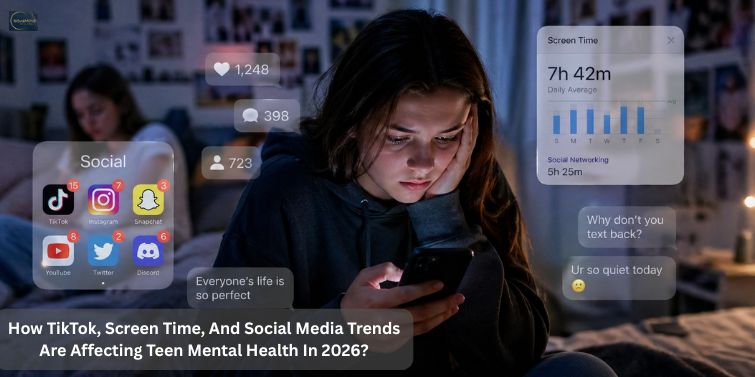
This blog explains how social platforms are shaping the way teens feel, think, and live in 2026. It examines the connections among daily scrolling, sleep, stress, self-image, and emotional health. It also breaks down the growing concerns around social media and mental health, anxiety caused by social media, body image issues teens deal with, depression and social media use, digital addiction symptoms, and the broader link between screen time and mental health.
Key Takeaways
- Social media can help teens feel connected, but it can also leave them drained.
- Screen habits often affect sleep before anyone notices the emotional impact.
- Online comparison is one of the biggest reasons teens feel pressure.
- Body image pressure now comes from filters, trends, and everyday scrolling.
- Some teens are not just overusing screens. They are becoming dependent on them.
- Parents need honest conversations more than constant lectures.
- Better mental health awareness starts with noticing patterns early.
Table Of Contents
- Why This Topic Feels Bigger In 2026
- What Makes TikTok So Hard To Step Away From
- The Real Link Between Screen Time And Mental Health
- Anxiety Caused By Social Media In Everyday Teen Life
- Body Image Issues Teens Carry After They Log Off
- Depression And Social Media Use: When Scrolling Stops Feeling Harmless
- Digital Addiction Symptoms That Are Easy To Miss
- What Parents And Caregivers Can Do
- Why Mental Health Awareness Must Include Online Life
- Conclusion
- FAQs
Why This Topic Feels Bigger In 2026?
Teen life already comes with pressure. School pressure. Friend pressure. Family pressure. Pressure to look fine even when they are not.
Now add a screen that never really turns off.
That is why this conversation feels more urgent now. Social media is no longer a side activity. For many teens, it’s a part of almost every part of the day. It is there when they wake up. It is there between classes. It is there while eating, studying, resting, and trying to fall asleep.
That constant presence changes things.
A teen no longer has to wait for comparison. Comparison shows up on its own. A better outfit. A clearer skin routine. A more exciting weekend. A more popular friend group. A more polished version of life. It all appears in seconds, and it keeps appearing.
This is where social media and mental health become tied together in a very real way. What teens watch all day does not stay on the screen. It follows them into their mood, confidence, attention, and habits.
That does not mean every teen who uses TikTok or Instagram is struggling. Many are not. Some use these platforms for jokes, music, creativity, and connection. But even when social media gives something positive, it can still take something away at the same time. It can take sleep. It can take a while. It can take focus. It can slowly take peace of mind.
At Nova Mind Wellness, this is the kind of modern stress that deserves to be taken seriously, not brushed off as a phase.
What Makes TikTok So Hard To Step Away From?
TikTok feels simple on the surface. A teen opens it to relax for a few minutes. That is how it starts.
Then the app keeps feeding the next video, and the next, and the next. There is no natural stopping point. No clear ending. No reason to pause unless the person makes that choice on purpose.
That design matters.
It trains the brain to expect constant stimulation. A new joke. A new trend. A new opinion. A new beauty trick. A new story. The brain does not get much time to settle before something else arrives.
For teens, this can be especially intense. Their minds are still developing. Their emotions are still shifting. Their sense of identity is still taking shape. So when an app keeps delivering entertainment, comparison, social pressure, and emotional reaction all at once, it can have a stronger effect than many adults realize.
TikTok also creates the feeling that everyone else is always in the know. Teens may feel like they have to stay updated or risk falling behind socially. They may not say that out loud, but the pressure is there.
It shows up in small ways:
- feeling the need to check trends
- worrying about being out of the loop
- thinking too much about what is popular
- feeling left out when others reference something they missed
- watching longer than they meant to because the app feels impossible to leave
This is not just about entertainment. It is about emotional pull.
The Real Link Between Screen Time And Mental Health
A lot of people still talk about screens as if the issue is only time. It is not.
Two teens can spend the same number of hours online and still be affected very differently. One may be fine. Another may sleep poorly, lose focus, and feel emotionally drained. That is why the real question is not just, “How much screen time?” The better question is, “What is it doing to the teen?”
That is where screen time and mental health connect.
When screen use begins to replace sleep, face-to-face conversation, movement, reading, hobbies, or simple quiet time, the mind starts carrying more than it should. Teens may not notice this right away. They may just feel tired, distracted, or strangely low.
Common changes often show up before anyone uses words like stress or burnout:
- trouble falling asleep
- waking up tired
- low attention during homework
- irritability at home
- less patience
- feeling bored without the phone
- needing constant background stimulation
This is why screen time and mental health should never be treated as separate issues. Heavy screen use does not always lead to emotional strain, but when it starts changing rest, behavior, and attention, it becomes more than a habit.
It becomes part of the mental health picture.
Anxiety Caused By Social Media In Everyday Teen Life
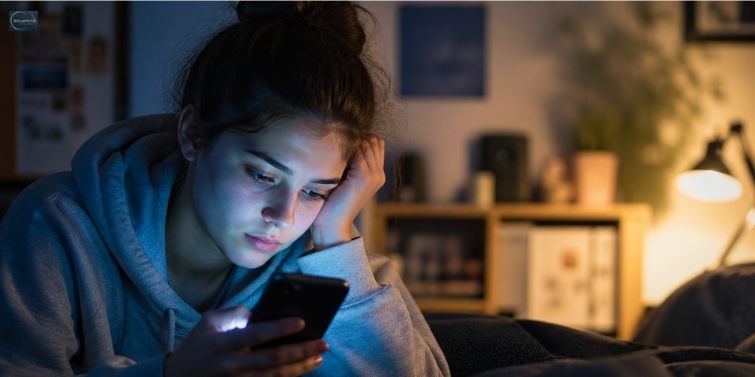
Anxiety caused by social media often looks ordinary at first. That is one reason adults miss it.
It may begin with a teen checking if someone replied. Then I checked again and wondered why a post didn’t get much reaction. Then I felt bad after seeing friends together somewhere they weren’t supposed to be.
Nothing dramatic happened. No huge event. Just small moments. But those moments stack up.
That is how online pressure works. It builds through repetition.
A teen may start feeling like they always have to be reachable. They may feel pressure to answer quickly, post the right thing, say the right thing, look good in pictures, and stay involved in every group conversation. Even while resting, part of their mind stays alert.
That can turn into anxiety caused by social media in ways that do not always sound like panic. Sometimes it sounds like this:
“I don’t know why I feel annoyed.”
“I’m tired, but I can’t stop checking.”
“I feel weird after being online.”
“I don’t even want to post, but I still care what people think.”
This kind of stress can show up as:
- checking the phone over and over
- feeling tense after posting
- getting upset by delayed replies
- overthinking simple messages
- feeling left out more easily
- feeling restless when offline
- feeling drained after scrolling without knowing why
The hard part is that teens may not connect the feeling to the app. They just know they do not feel settled.
That matters.
Because when stress becomes background noise, people stop naming it. They carry it instead.
Body Image Issues Teens Carry After They Log Off
One of the most damaging parts of social media is that it keeps teaching teens how they should look, even when no one says those words directly.
That is where body image issues that teens deal with become more serious.
It is not only influencers or celebrities. It is classmates, friends, edited selfies, beauty trends, gym content, skin routines, and videos built around “glow-ups.” Teens are surrounded by polished faces and bodies all the time.
Even when they know filters exist, the comparison still happens.
A teen may look in the mirror and suddenly notice flaws they never cared about before. Skin. Hair. Weight. Teeth. Jawline. Height. Shape. Style. Things that once felt normal can start feeling like problems.
This is how body image issues among teens grow online. Not always through direct bullying. Often, through repeated exposure to unrealistic standards, they slowly begin to feel normal.
The effects can show up in everyday behavior:
- avoiding photos unless filters are used
- comparing appearance with people online
- feeling embarrassed by normal features
- tying confidence to likes or compliments
- obsessing over how they look on camera
- feeling “not enough” without knowing exactly why
For some teens, this becomes more than insecurity. It becomes a constant mental burden. They stop enjoying things because too much energy goes into being seen.
That is a heavy way to move through adolescence.
Teen Mental Health Challenges Linked to Social Media in 2026
Social media trends, endless scrolling, and constant online pressure are affecting teen emotions more than ever in 2026. Learn how TikTok, screen time, and digital comparison may impact teen confidence, stress levels, sleep, focus, and overall mental well-being in daily life.
Start With A Free ConsultationDepression And Social Media Use: When Scrolling Stops Feeling Harmless
The relationship between depression and social media use is not simple, but it is real.
Social media may not create depression on its own. Still, it can deepen the sadness that is already there. A teen who feels lonely may spend more time online because it feels easier than dealing with real life. But the more they scroll, the more they see things that make them feel worse. Other people look happier.
Then scrolling becomes both an escape and a trigger.
That is where the problem grows.
A teen may no longer enjoy the app. They may just keep opening it out of habit, numbness, or loneliness. That is often when depression and social media use begin to overlap in a way families should not ignore.
Signs can include:
- pulling away from normal activities
- less interest in friends offline
- lower energy
- Sadness after being online
- feeling disconnected from real life
- caring less about school or routine
- spending more time alone with the phone
The point is not to blame every low mood on social media. The point is to notice when online habits are feeding something deeper instead of helping it.
At Nova Mind Wellness, this kind of pattern would not be reduced to “just screen time.” It would be treated as part of the teen’s full emotional life.
Digital Addiction Symptoms That Are Easy To Miss
Some teens use their phones a lot and still have balance. Others do not.
That difference matters.
Digital addiction symptoms are easy to miss because constant phone use now looks normal. But normal and healthy are not always the same thing.
The strongest sign is loss of control.
A teen says they are only checking one thing, then stays on the phone much longer than expected. They know the device is affecting their sleep or mood, but they keep going. They become irritated when interrupted. They feel oddly empty without it.
Common digital addiction symptoms include:
- checking the phone without thinking
- staying online much longer than planned
- Becoming angry when limits are set
- hiding or downplaying screen use
- losing interest in offline hobbies
- feeling unable to relax without a device
- needing more content just to avoid boredom
- struggling to focus on one quiet task
This is not about labeling every teen as addicted. It is about noticing when screen use stops being a choice and begins to look more like dependence.
That shift can be subtle, but it changes daily life.
What Parents And Caregivers Can Do?
Parents do not need to control every app to be helpful. What teens need most is not constant correction. It is steady guidance.
That starts with watching patterns rather than only reacting when rules are broken.
It helps to notice:
- changes in sleep
- mood after being online
- how often the teen seems mentally absent
- whether the phone is replacing normal life
- whether social media is making them feel worse, not better
Then comes the harder part: talking without turning it into a lecture.
Teens shut down when every conversation feels like blame. They respond better when adults stay calm and specific. Not “You’re always on your phone.” More like, “I’ve noticed you seem tired and more stressed lately. Do you think your phone use is part of it?”
That kind of conversation opens more than it closes.
Helpful steps at home can include:
- Keeping phones out of bedrooms at night
- Protecting meal times from screens
- Creating natural screen-free parts of the day
- Encouraging real hobbies that do not need a device
- Talking openly about comparison and online pressure
- Helping teens unfollow content that harms their mood
The goal is not perfection. It is balance.
Why Mental Health Awareness Must Include Online Life?
Good mental health awareness now has to include digital life. It cannot stop at school, family, or social stress in person. The online world is now part of the emotional world.
That means mental health awareness should include questions like:
- How does this teen feel after scrolling?
- Are they sleeping enough?
- Has comparison become constant?
- Is the phone soothing them or controlling them?
- Are they emotionally present in real life?
These are not small questions anymore.
This is one reason Nova Mind Wellness belongs naturally in this conversation. Teens and families often need help understanding whether online habits are simply modern behavior or a real source of emotional strain.
Sometimes the difference is not obvious until someone slows down and really looks.
Conclusion
Social media is now part of the environment teens grow up in. TikTok, constant scrolling, fast trends, and online comparison are shaping daily life in ways that are hard to ignore. That is why social media and mental health matter so much in 2026. For many teens, the pressure shows up as anxiety caused by social media, growing body image issues teens carry quietly, deeper concerns around depression and social media use, and subtle digital addiction symptoms that families may miss at first. The connection between screen time and mental health is no longer just a theory. It is part of everyday life.
“When a screen starts shaping sleep, confidence, and peace of mind, it deserves attention.”
FAQs
1. How Does Social Media Affect Teen Mental Health?
It can affect mood, focus, sleep, confidence, and stress. Some teens use it casually and do fine. Others feel pressure, comparison, or emotional burnout after spending too much time online. The effect depends on how it fits into the rest of their life.
2. What Are The Most Common Digital Addiction Symptoms In Teens?
The most common digital addiction symptoms include constant checking, trouble stopping, irritability without the phone, poor sleep, low focus, and less interest in offline life. The biggest warning sign is when screen use keeps going even though it is clearly causing problems.
3. Can TikTok Increase Anxiety In Teens?
Yes. It can increase anxiety caused by social media because it keeps teens in a loop of trends, comparison, quick reactions, and social pressure. For some, that creates a constant feeling of needing to keep up.
4. How Does Social Media Affect Body Image In Teens?
Body image issues teens face often become worse online because they are constantly exposed to edited images, beauty trends, and unrealistic standards. Even when teens know content is filtered, it can still affect how they see themselves.
5. Is There A Link Between Depression And Social Media Use?
There can be. Depression and social media use may overlap when a teen starts using social media to escape sadness but ends up feeling more isolated, less confident, or emotionally flat afterward.
6. How Can Parents Help With Screen Time And Mental Health?
Parents can help by protecting sleep, setting calm limits, noticing mood changes, and having honest conversations that do not feel like lectures. Support usually works better than constant punishment.