
Objective
This blog is for parents, caregivers, and family members who feel something has changed in their teen but cannot quite explain it. The goal is to explain the quiet depression warning signs that can appear when a teen still looks “fine” from the outside.
Nova Mind Wellness is mentioned here as part of the wider need for early awareness, gentle support, and timely care when teens begin to struggle emotionally.
Key Takeaways
- High-functioning depression can be hard to notice because the teen may still go to school, talk to friends, and keep up with daily life.
- Many depression symptoms teens show are small at first.
- Some teens show anger, fatigue, silence, or pressure rather than clear sadness.
- Subtle depression behavior changes should be taken seriously when they last for more than a short time.
- The best depression help teens can receive often starts with calm listening at home.
Table Of Contents
- What High-Functioning Depression In Teens Really Means
- Why These Depression Warning Signs Are Easy To Miss
- 7 Signs Of High-Functioning Depression In Teens
- Depression Behavior Changes Parents Should Watch Closely
- How To Offer Depression Help Teens Can Actually Accept
- When It May Be Time To Get Outside Support
- FAQs
- Conclusion
What High-Functioning Depression In Teens Really Means?
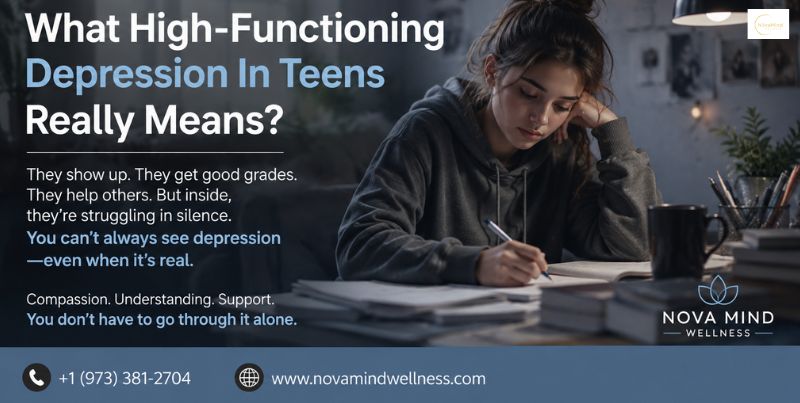
High-functioning depression can be confusing for families.
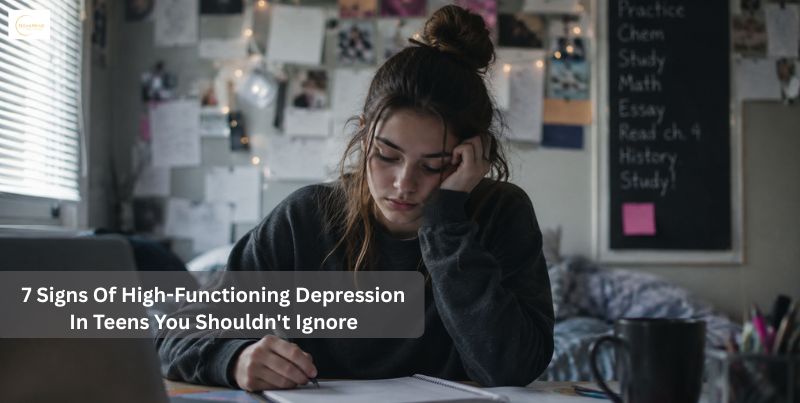
Your teen may still wake up for school. They may still answer when spoken to. They may still submit assignments, laugh at a message, or sit at the dinner table.
From the outside, it may look like everything is normal.
But inside, they may feel heavy, tired, numb, or alone. They may be using all their energy just to get through the day. By the time they come home, there may be nothing left.
That is why high-functioning depression is often missed. It does not always look dramatic. It can look quiet. It can look like “I’m fine.” It can look like a teen who is doing what they are supposed to do, but no longer feels like themselves.
Why These Depression Warning Signs Are Easy To Miss?
Teenagers change as they grow. They need privacy. They may become moody. They may spend more time with friends and less time with family.
Because of this, it can be hard to know what is normal and what is not.
The difference is usually the pattern.
A bad mood after a hard day is normal. But weeks of low energy, distance, irritability, and loss of interest may point to something deeper.
Many depression warning signs do not arrive all at once. They build slowly. One small change becomes another. Then the parent looks back and thinks, “They haven’t seemed like themselves for a while.”
That feeling matters.
7 Signs Of High-Functioning Depression In Teens
1. They Are Always Tired, Even When They Rest
Teen life can be tiring. School, homework, screens, friendships, and pressure can wear anyone down.
But this tiredness feels different.
A teen may sleep and still wake up drained. They may come home and lie down right away. They may say simple things feel like too much. They may stop joining family plans because they “just don’t have energy.”
This can be one of the common depression symptoms teens show.
It is not always laziness. It is not always a bad routine. Sometimes their mind works so hard that their body feels worn out, too.
Look for signs like:
- Sleeping more than usual
- Still feeling tired after rest.
- Moving slower than before
- Avoiding normal tasks
- Losing energy for things they once liked
One tired week may not mean much. But ongoing tiredness deserves attention.
2. They Seem Irritated More Than Sad
Many people expect depression to look like crying or deep sadness.
In teens, it often looks like anger.
A teen may snap over small things. They may answer with short words. They may seem annoyed by questions that used to feel normal. They may argue more or shut down quickly.
These depression behavior changes can be easy to label as an attitude. But sometimes, irritability is the only emotion a teen can safely show.
They may not know how to say, “I feel low.”
So it comes out as, “Leave me alone.”
They may not know how to say, “I feel overwhelmed.”
So it comes out as anger.
This does not mean every argument is a sign of depression. But if your teen’s mood feels heavier, sharper, or more distant than usual, slow down and notice it.
3. They Stop Enjoying Things They Used To Love
This sign is often quiet.
Your teen may not suddenly quit everything. They may still show up. They may still attend practice, music class, clubs, or outings.
But the joy may be gone.
They may say:
- “It’s boring now.”
- “I don’t care.”
- “I only go because I have to.”
- “It doesn’t feel the same.”
Loss of interest is one of the most important depression symptoms teens may show.
The key is not whether they still do the activity. The key is whether they still feel connected to it.
A teen who once loved soccer may now drag themselves to practice. A teen who once loved drawing may stop opening their sketchbook. A teen who once enjoyed friends may come home from outings looking empty.
That quiet loss of joy matters.
4. They Pull Away Without Fully Disappearing
Some teens with depression isolate completely. Others do not.
High-functioning teens may still text friends. They may still go to school. They may still appear social in public.
But at home, you may notice the distance.
They may spend more time in their room. They may avoid family meals. They may stop sharing stories from their day. They may sit with everyone but remain mentally distant.
This kind of withdrawal can be easy to miss because it is not total isolation.
Watch for small shifts:
- Less eye contact
- Shorter conversations
- Fewer details about the school
- More time behind a closed door
- Less interest in family routines
- Acting okay outside, but drained at home
Sometimes, home is the only place where a teen stops performing. So the family sees the tired version while everyone else sees the “fine” version.
That can be painful for parents, but it is also important information.
5. They Become Very Hard On Themselves
A teen with high-functioning depression may look successful and still feel like they are failing.
They may get good grades, but call themselves stupid. They may have friends, but feel unwanted. They may achieve something and still say it was not enough.
Negative self-talk can be one of the serious depression warning signs.
Listen for lines like:
- “I’m not good enough.”
- “I ruin everything.”
- “Everyone else is better.”
- “Nothing I do matters.”
- “I can’t do anything right.”
These words should not be brushed away with quick comfort.
Saying “That’s not true” may come from love, but it may not help the teen feel understood. A better response may be, “It hurts to hear you talk about yourself that way. Can you tell me what made you feel like this?”
That keeps the door open.
6. Their School Pattern Changes
School can reveal a lot, but not always in the way parents expect.
Some teens with depression fall behind. They miss assignments. They lose focus. Their grades drop.
Other teens do the opposite. They overwork. They stay up too late. They panic over small mistakes. They feel they must be perfect to stay in control.
Both patterns can be signs of stress.
Look for:
- Sudden grade changes
- Strong fear of failure
- Avoiding homework
- Studying late into the night
- Saying school feels pointless
- Losing interest in future goals
- Becoming upset over small mistakes
Good grades do not always mean a teen is okay.
A teen can be high-performing yet emotionally exhausted. They may be holding everything together at school and falling apart quietly inside.
That is why parents should ask more than, “How are your grades?”
Try asking, “How does school feel lately?”
That question may lead to a more honest answer.
7. Their Sleep Or Eating Habits Change
Sleep and food often change when a teen is struggling.
Some teens sleep far more than usual. Others stay awake late and cannot settle. Some lose interest in food. Others eat more when they feel stressed.
These changes are common depression symptoms teens may show.
Notice patterns like:
- Sleeping after school every day
- Staying up very late often
- Waking up tired
- Skipping meals
- Eating much more or much less
- Losing interest in family meals
- Saying they feel too tired to eat
One change alone may not mean depression. But when sleep or eating changes occur alongside mood changes, social withdrawal, or loss of interest, it is worth paying closer attention.
The body often speaks before a teen knows how to explain their feelings.
Depression Behaviour Changes Parents Should Watch Closely
Parents do not need to watch every move. That can make a teen feel trapped.
But it helps to notice patterns.
| Area | What May Change |
| Mood | More anger, sadness, numbness, or irritability |
| Energy | Always tired, slow, drained, or unmotivated |
| Social Life | Less talking, less sharing, avoiding plans |
| School | Falling behind, overworking, or losing focus |
| Sleep | Sleeping too much, too little, or at odd times |
| Food | Skipping meals or strong appetite changes |
| Self-Talk | Harsh words, low confidence, hopeless thinking |
These depression behavior changes are not about blaming the teen. They are signals. They show that something may need care.

How To Offer Depression Help Teens Can Actually Accept?
Helping a teen starts with the way you approach them.
A big, serious talk may feel scary. A lecture may make them shut down. Too many questions may feel like pressure.
Start gently.
You can say:
- “I’ve noticed you seem tired lately.”
- “You do not have to explain everything right now.”
- “I’m here, and I’m not angry.”
- “You seem like you’ve been carrying a lot.”
- “I care about what is going on with you.”
Then pause.
Let them answer in their own time.
Good depression helps teens accept that they often feel calm, not forced. It sounds like support, not investigation.
Try to:
- Listen without interrupting
- Keep your voice steady
- Avoid quick judgment
- Ask simple questions
- Give them space to think
- Check in again later
- Remind them they are not a burden
Support at home does not have to be perfect. It just has to be steady.
In the body of teen mental health support, Nova Mind Wellness reflects the importance of noticing early signs, listening with care, and helping teens feel understood before problems grow heavier.
Help Your Teen Before Emotional Stress Gets Worse
Learn the hidden signs of high-functioning depression in teens before emotional stress becomes harder to manage. Discover how early support, open communication, and caring guidance can help your teen feel understood, emotionally stronger, and more confident in daily life.
Start With A Free ConsultationWhat Parents Should Avoid Saying?
Some common lines can make teens feel worse, even when parents mean well.
Try not to say:
- “You’re just being dramatic.”
- “You have no reason to feel this way.”
- “Other people have bigger problems.”
- “Just think positive.”
- “You need to toughen up.”
- “This is only a phase.”
These words can make a teen feel small or ashamed.
Better options are:
- “I believe you.”
- “That sounds hard.”
- “Thank you for telling me.”
- “We can take this slowly.”
- “You do not have to handle this alone.”
The aim is not to win the conversation. The aim is to keep the connection.
When It May Be Time To Get Outside Support?
Sometimes love at home isn’t enough on its own. That does not mean the parent failed. It means the teen may need more support.
Consider professional help if the signs last more than two weeks, affect daily life, or seem to be getting stronger.
Outside support may help when a teen:
- Stops enjoying most things
- Pulls away from people
- Feels low most days
- Has major sleep or eating changes
- Struggles to keep up with school
- Seems overwhelmed often
- Cannot explain what they are feeling
A trained mental health professional can help a teen name what is happening and learn safer, healthier ways to cope.
If there is any immediate safety concern, contact local emergency services or a trusted medical professional right away.
FAQs
What Are The Most Common Depression Warning Signs In Teens?
Common depression warning signs include ongoing tiredness, irritability, loss of interest, pulling away from people, sleep changes, eating changes, and negative self-talk.
Can A Teen Have Depression And Still Act Normal?
Yes. Some teens keep going to school, talking to friends, and completing tasks even when they feel low inside. This is why high-functioning depression can be hard to spot.
What Depression Behavior Changes Should Parents Notice First?
Parents may first notice small depression behavior changes like less talking, more anger, low energy, less interest in hobbies, or spending more time alone.
Are Depression Symptoms Teens Show Different From Adults?
Often, yes. Teens may show more irritability, mood swings, school stress, withdrawal, or tiredness. They may not always say they feel sad.
How Can Parents Offer Depression Help Teens Will Not Push Away?
Start with calm words. Listen more than you speak. Avoid blame. Give them time. Offer support in small steps. Professional care may also help when signs continue.
When Should A Parent Take Teen Depression Signs Seriously?
Take the signs seriously when they last more than two weeks, affect school or home life, or feel very different from the teen’s usual behavior.
Can Good Grades Hide Teen Depression?
Yes. A teen may do well in school but still feel emotionally exhausted. Good performance does not always mean good mental health.
Conclusion
High-functioning depression in teens is easy to miss because life may still look normal on the surface.
The teen may still smile. They may still go to school. They may still answer, “I’m fine.”
But parents often sense the quiet changes first. Less energy. Less joy. More irritability. More distance. More harsh words about themselves.
Those signs matter.
You do not need to panic. You do not need to have the perfect words. Start by noticing. Start by listening. Start by making the home feel safe enough for honesty.
Teenagers do not always ask for help clearly. Sometimes their behavior asks first.
Nova Mind Wellness supports this simple but important message: when teens show quiet signs of emotional struggle, early care and steady support can make a real difference.
Do not wait for a teen to fall apart before you believe they are struggling. Quiet changes can be the first sign that they need support.